Wales

Watch Mike Peacock’s webinar.
Listen to our interview podcast with Mike Peacock.
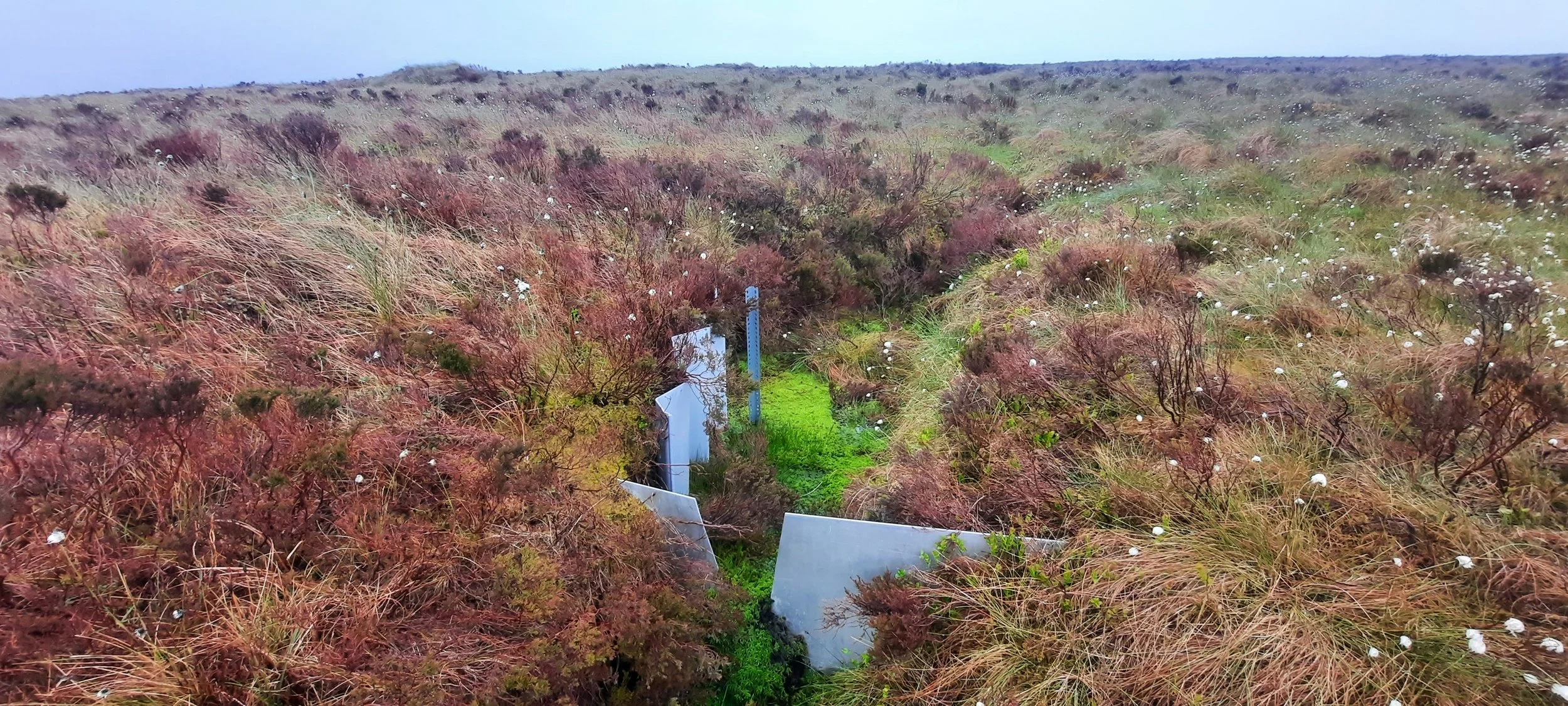
Watch Mike Peacock demonstrate how the automated water table loggers are stored in situ in the dipwells; the equipment that was recently funded through ECT’s small grants scheme.
Impacts
Policy:
Restoration (ditch blocking) does not affect drinking water quality.
Scientific:
Restoration may be carbon neutral
Figure 1 from Green et al 2018 [CLICK TO ENLARGE]
OVERVIEW
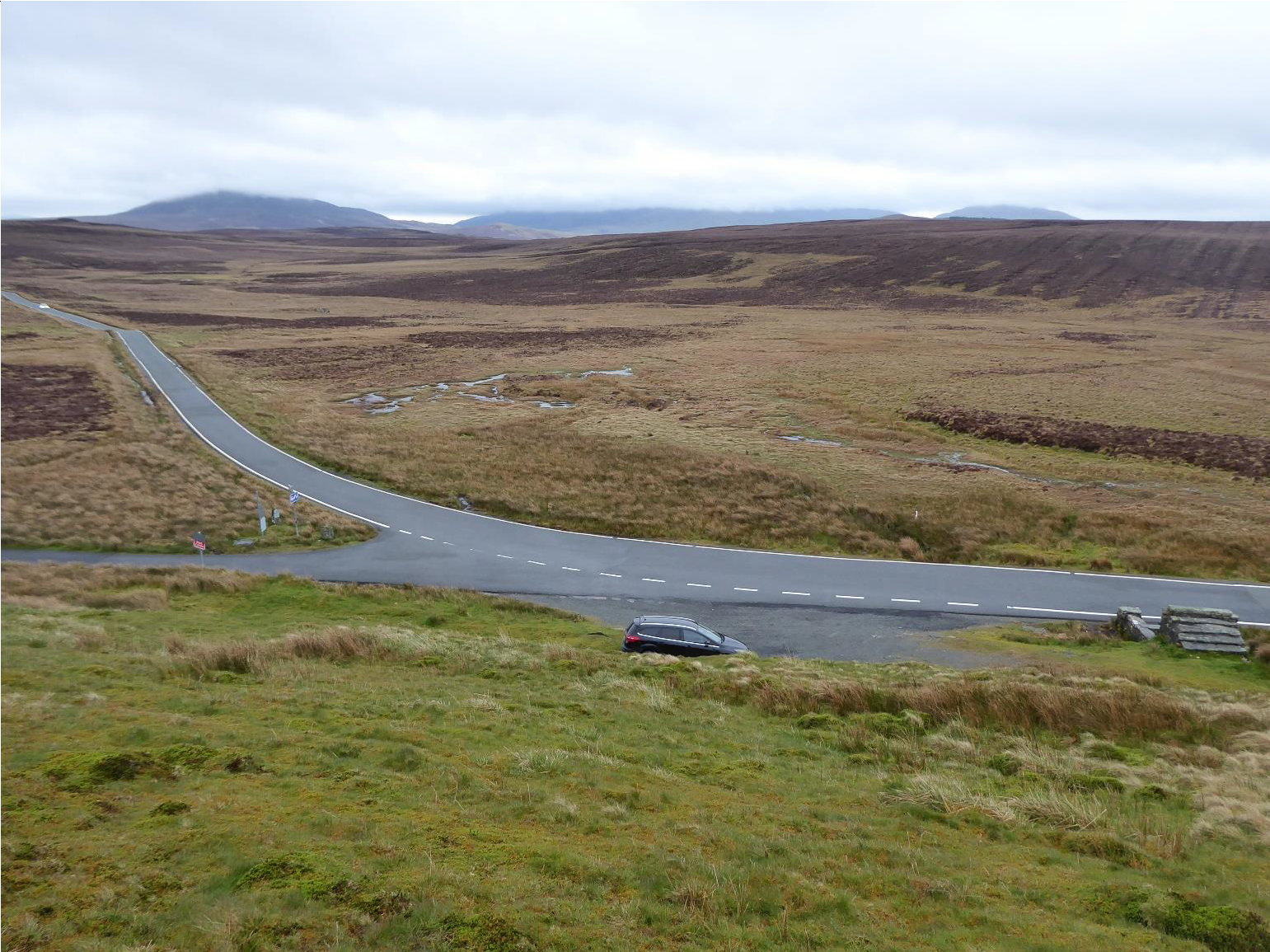
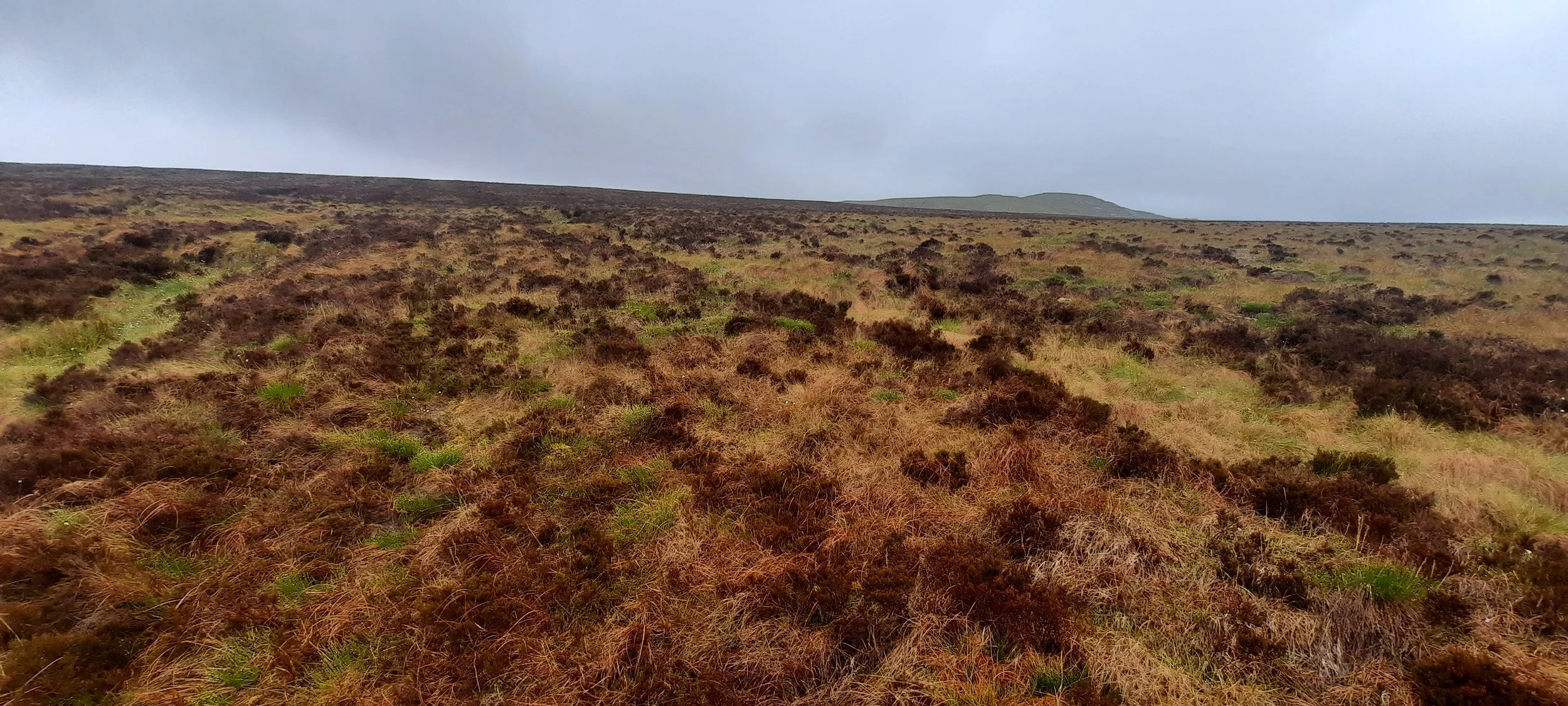
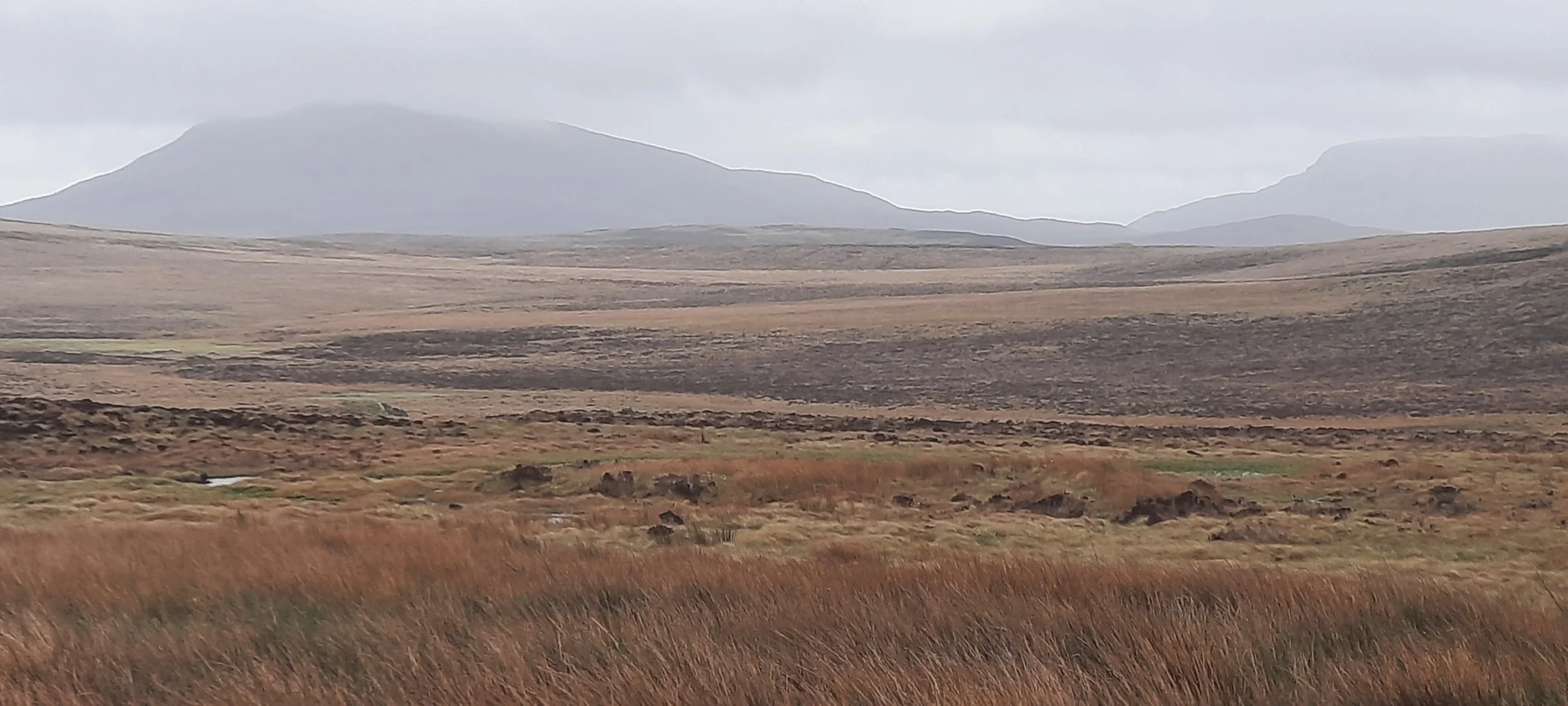
Migneint Bog is part of the Migneint-Arenig-Dduallt Special Area of Conservation, and lies within Eryri National Park in Snowdonia, Wales.
When peatlands are ditch-drained for agriculture and development, this impedes the ability of peatland to sequester carbon and provide clean drinking water. Running since 2011, this experiment aims to uncover how restoring peat bogs by re-wetting (ditch blocking) affects the whole ecosystem.
Experiment start date: 2011
Habitat type: Blanket bog
Experiment type: Restoration/recovery
Site size: 60 ha
Site manager: Dewi Davies
Site owner: National Trust
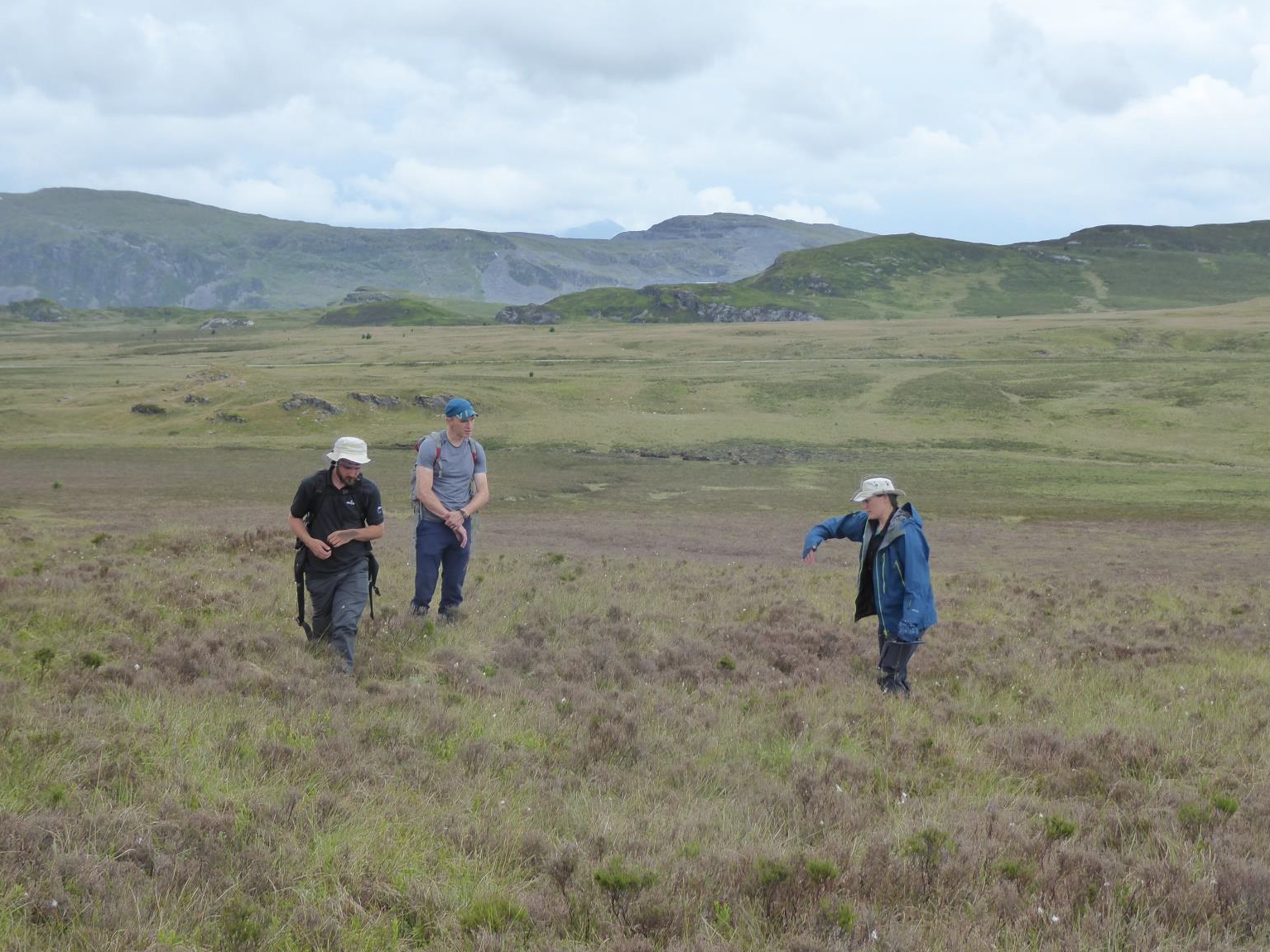
Experiment conducted by: Dr Mike Peacock, University of Liverpool
Experiment goal: To test the effects of the restoration method of rewetting ditch-drained bog on the ecosystem
Stakeholders: Defra, Natural Resources Wales
Additional links: UKCEH, Water4All, University of Leeds, Defra’s Project SP1202, National Trust Upper Conwy Project
VISITING
Eryri National Park can be visited and is a popular site for hiking, camping, horse riding and swimming activities. For more information about visiting the park, see Visit | Eryri National Park. The Migneint bog itself is largely open access land, meaning that hiking is permitted anywhere. However, there are few footpaths and the ground is rough underfoot.

ABOUT THE EXPERIMENT
-
Peat bogs are a vital ecosystem resource as they are a carbon sink and provide drinking water. Ditches are created when peatbogs are drained to remove the excess water usually to facilitate agriculture or development. However, this leads to drier conditions, subsidence, vegetation changes and disruption of carbon sequestration.
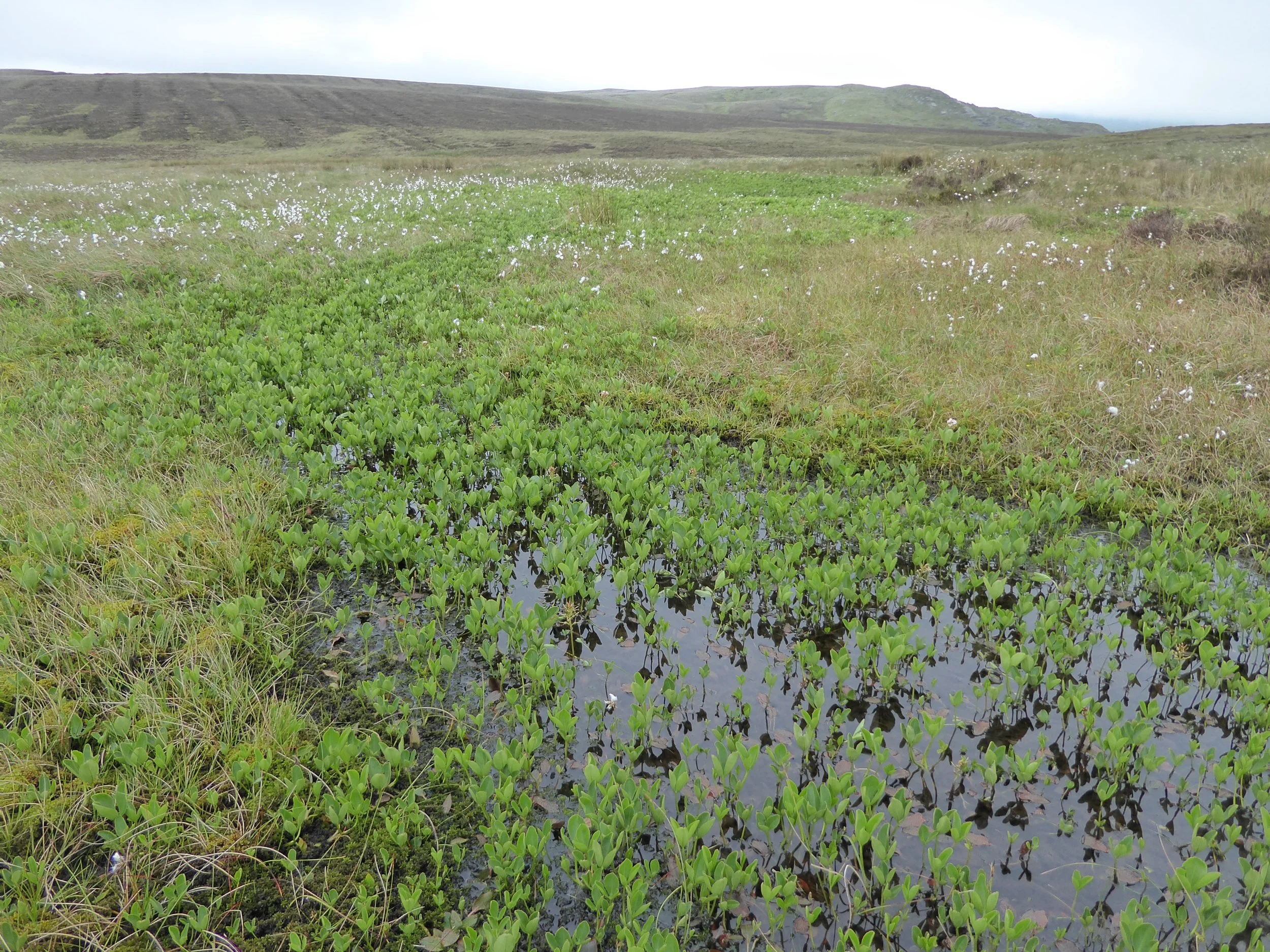
Peat bog restoration usually involves ditch blocking to allow the bog surface to become wet again, which should lead to improved water quality and lock up more carbon. It also helps to mitigate against floods and recover wetland species biodiversity.
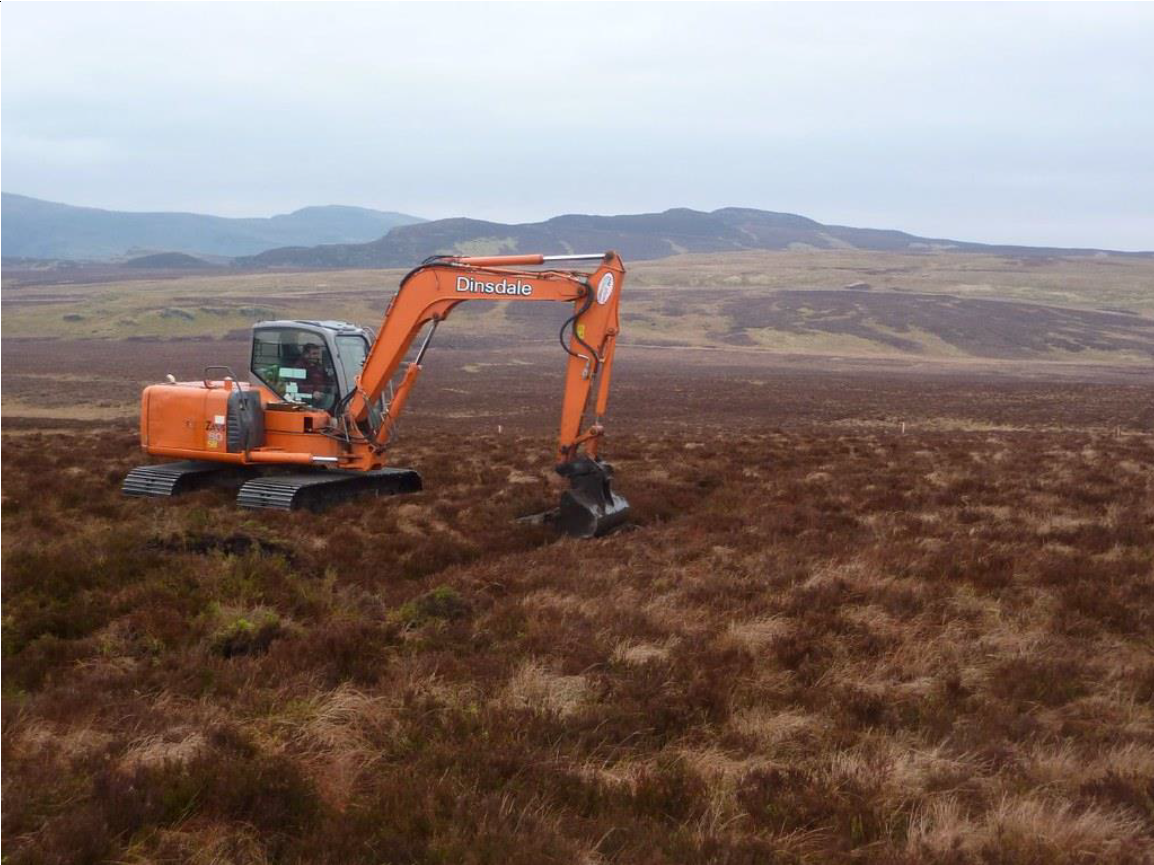
The experiment at Migneint Bog started with the Defra-funded project SP1202 (led by University of Leeds, and with National Trust involvement) to identify the restoration method that yields the lowest greenhouse gas emissions. This experiment was conducted alongside a literature review and a series of laboratory experiments. In 2010, pre-intervention baseline measurements were taken. Ditch blocking took place in February 2011, and the project was completed in 2015. Experimental work at the site now continues, led by the University of Liverpool in collaboration with the National Trust.
-
From 2006, prior to the experiment, UKCEH was sampling the water chemistry from two nearby headwater streams for routine monitoring and this has continued throughout the duration of the experiment.
There are four ditches for each treatment (see Figure 1)
1) Control (C)
2) Damming: peat dams were created at regular intervals (D)
3) Reprofiling (and damming): where vegetation is removed, the base of the ditch is compressed and partially infilled using peat from the ditch sides. (R)
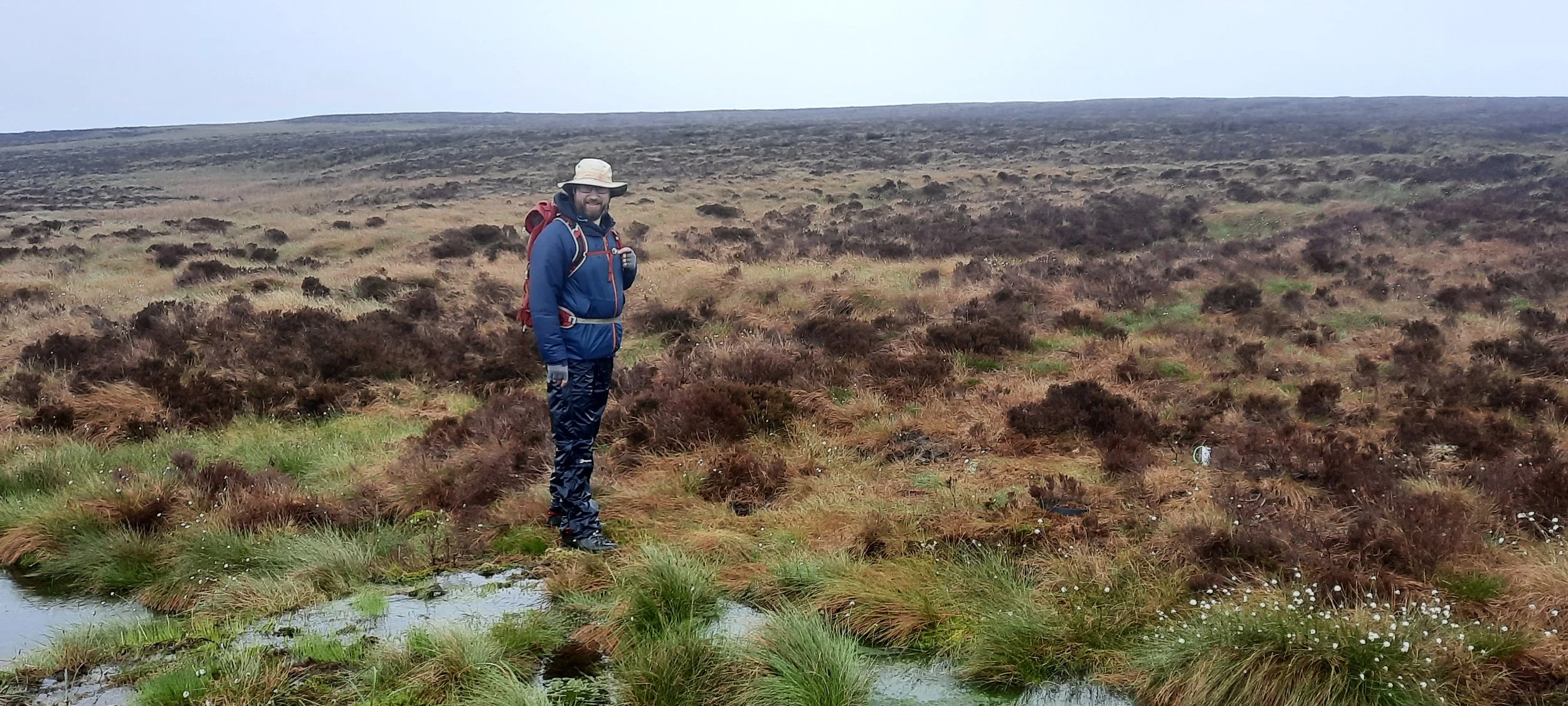
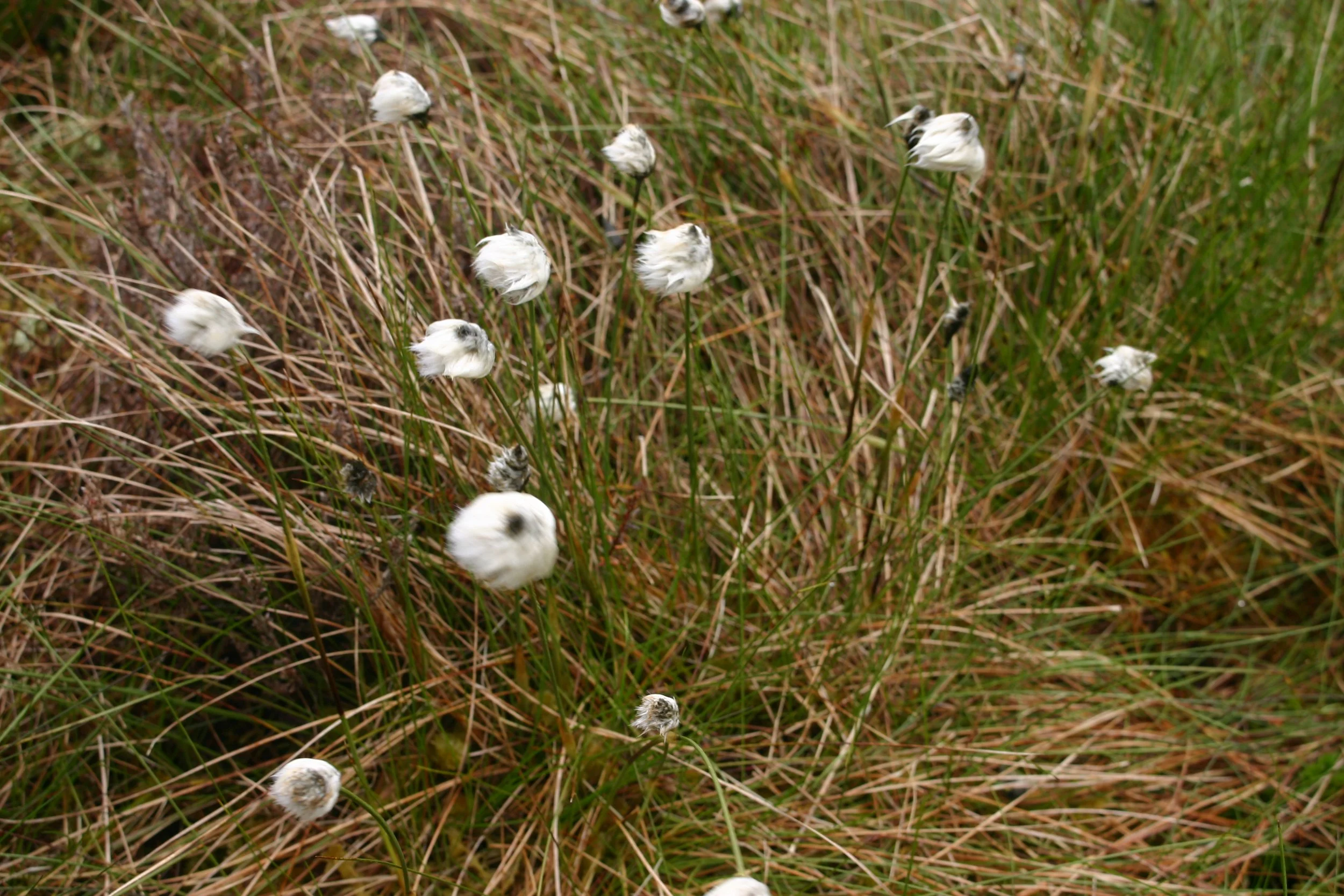
In total, there are 12 ditches (Figure 1) where each ditch was randomly assigned a treatment. Each ditch varies in length between 84-107m, on a downward slope between 3.9-5.11°, and they are all spaced out from each other at different widths; 11-26m. The vegetation was a typical mire assemblage which includes common heather, Hare’s tail cottongrass, and Sphagnum bog mosses.
The following measurements were taken:
Soil chemistry
Water table measurements
Ditch flow rates
Water chemistry
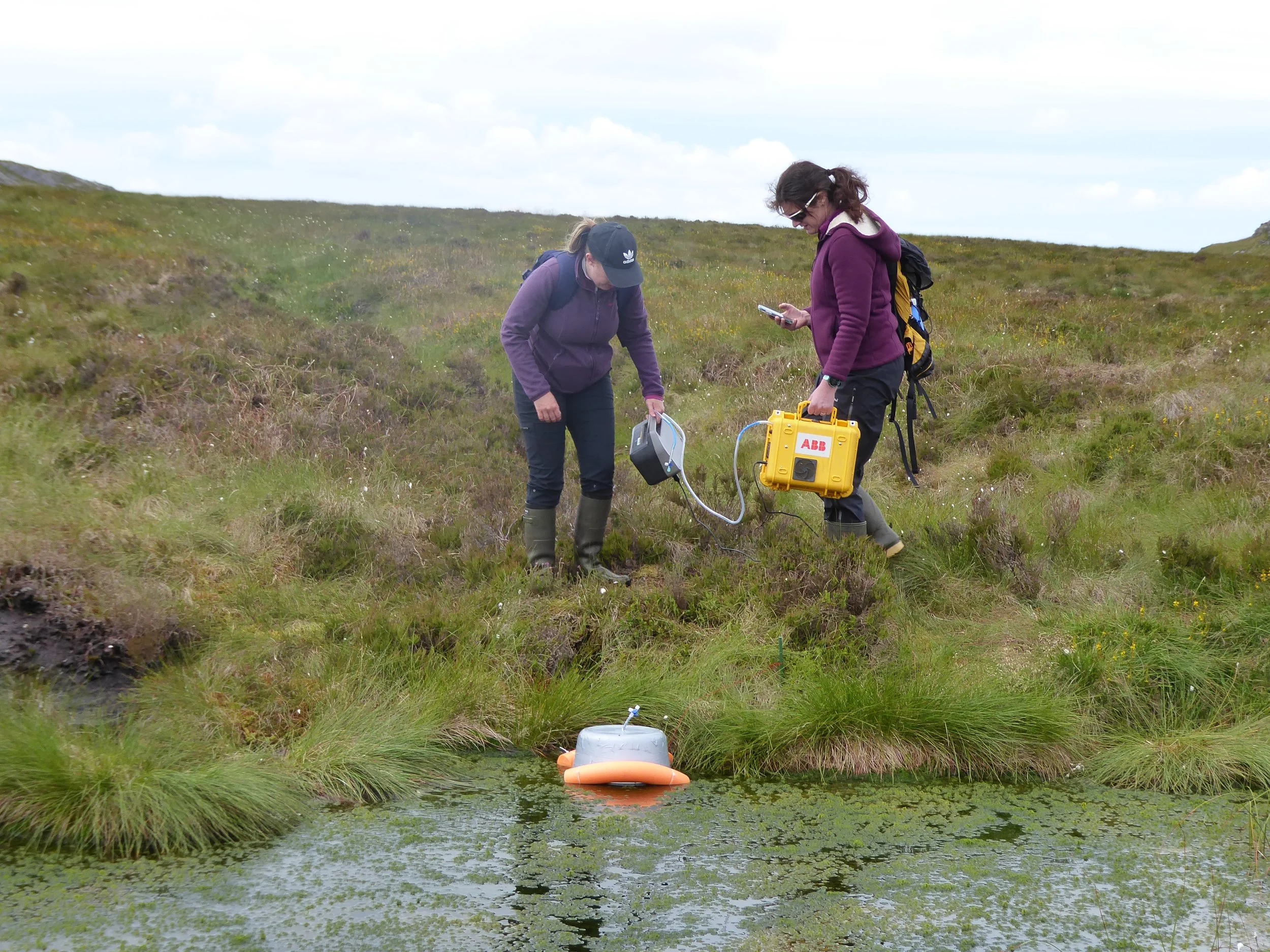
Methane (CH₄) and carbon dioxide (CO₂) emissions
Vegetation survey
There is also a nearby automatic weather station collecting meteorological data.
-
Ditch blocking as a restoration method does not affect the vegetation abundance or the water table
There is a lack of information on how peatland water tables respond to ditch blocking, and how it affects the vegetation. Previous studies have looked at how vegetation changes (sedges and Sphagnum) but often neglected to measure how the water table changes. Green et al (2017) is one of the first studies to do both in a fully replicated and controlled design. The vegetation was sampled over the course of 5 years, and the water table was measured over 4 years.
Green et al (2017) found that there was no difference in the sedge vegetation between the two treatments and the control. Therefore, ditch blocking had no effect on sedge abundance. But there were significant changes each year in the Sphagnum abundance. These annual changes suggest that over time ditch blocking may lead to Sphagnum vegetation change.
They also found that there were no significant effects of the ditch blocking on the annual and summer averages of the water table, which is the first time that the water table results have differed from previous studies at other sites. However this is most likely due to the sloped site, and the fact that Migneint Bog is wetter, which also contributes towards an increase in Sphagnum abundance in the long-term.
They conclude that the lack of difference in Sphagnum abundance may be due to Migneint Bog being wetter. However, this does not mean that using the water table to restore vegetation is a good idea as it might have a knock-on effect on other factors, such as peatland plant growth.
Restoring peatlands may be carbon neutral
It is possible that the lowering of the water table following peatland drainage can change the carbon balance: with more peat exposed, this leads to higher decomposition and consequently more carbon dioxide (CO₂) is released. At the same time, the lowered water level changes the vegetation and thus the photosynthesis rate which affects the amount of CO₂ released. Additionally, it is assumed that ditch blocking can restore the peatland’s carbon sink function. But the main concern is that the benefits of restoration will be offset by a sharp increase in methane (CH₄) emissions. So the question is how does ditch blocking affect the water table, the CO₂ balance, vegetation and CH₄?
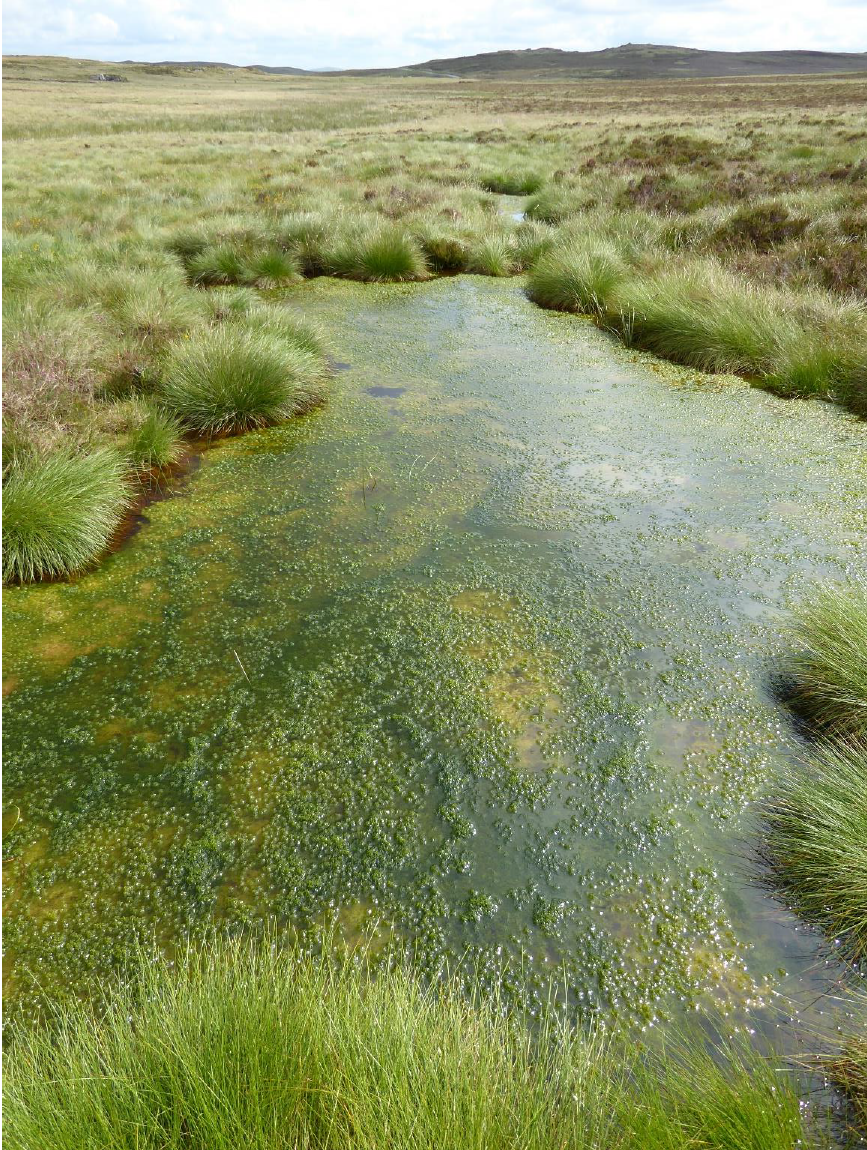
Instead of looking at the ditches, Green et al (2018) examined the areas between the ditches: mixed vegetation areas, Sphagnum dominated areas, and pooled areas (areas which have been dug for peat for ditch blocking where water tends to pool).
They found that there was no significant difference in the water table depth in the non-pooled parts of the blocked ditches compared to the control. While the treatments had no effect on the Sphagnum abundance, sedge abundance increased on some of the plots. They also found that there were no changes in the CO₂ balance; the amount that is absorbed and released stays the same. Finally, they also found that there were no differences in the CH₄ emissions, which suggests that restoration after being drained does not increase emissions.
Overall, they found that restoring drained ditches may be carbon neutral immediately after blocking.
Restoration via ditch blocking does not improve, or worsen, water quality
Peatland drainage also leads to increasing concentration of dissolved organic carbon (DOC) in streams and rivers which has negative effects on the aquatic environment and water quality. An increase in DOC would lead to a more expensive water purification process. Ditch blocking, however, is sometimes expected to decrease DOC but there is a level of uncertainty as to how the molecular composition of DOC affects the water purification process. Thus the goal was to identify if ditch blocking improves water quality.
Peacock et al (2018) took samples of ditch water, (soil) pore water, and overflow (above-ground surface) water over 4 years. They found that ditch blocking had no consistent effect on DOC up to 4 years after the treatments.
Overall, there was no evidence that restoring peatland by ditch blocking can reduce DOC. So while this restoration method can deliver some benefits (e.g. improving biodiversity), it will not lead to any drinking water improvements at this individual site. Other restoration methods would be needed to improve water quality following peatland drainage.
-
