
England

ECT Media

ANDY GREGORY, ROTHAMSTED RESEARCH
Impacts
Scientific:
Balancing crop production with sustainability
Ensuring soil fertility
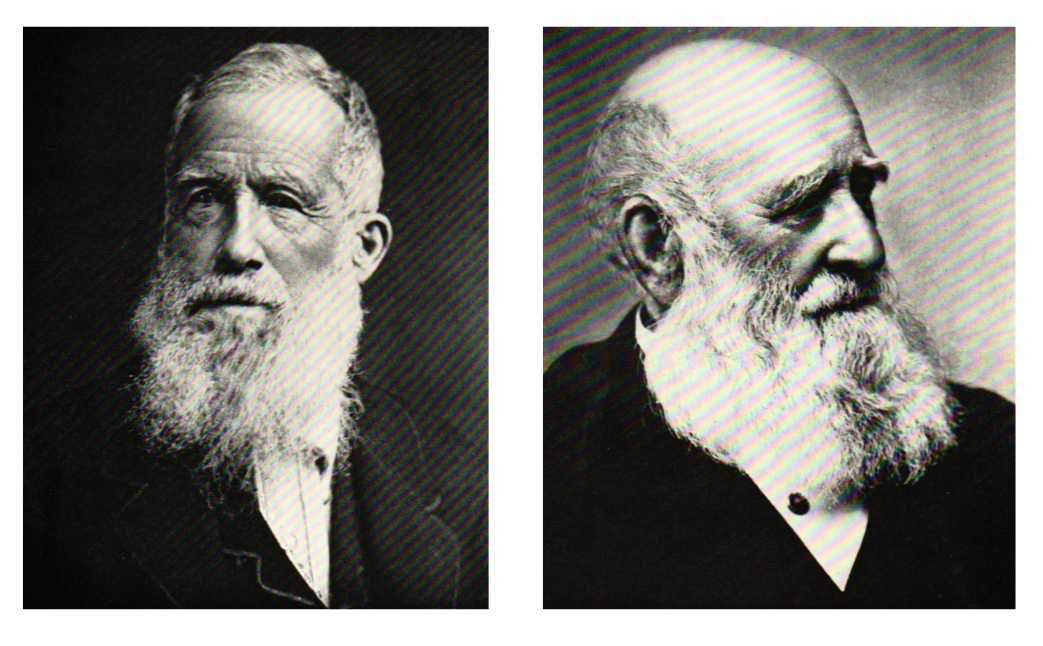
LEFT: Sir John Bennet Lawes (1814-1900). RIGHT: Sir Joseph Henry Gilbert (1817-1901) MacDonald, 2018
FIGURE 1 , MacDonald, 2018 [CLICK TO ENLARGE]
Figure 2 Mean long‐term yields of winter wheat grain, 1852–2016, showing selected treatments, important changes in management and cultivars grown. Broadbalk Winter Wheat experiment, Rothamsted (jOhnston & poulton, 2018) [CLICK TO ENGLARGE]
Overview
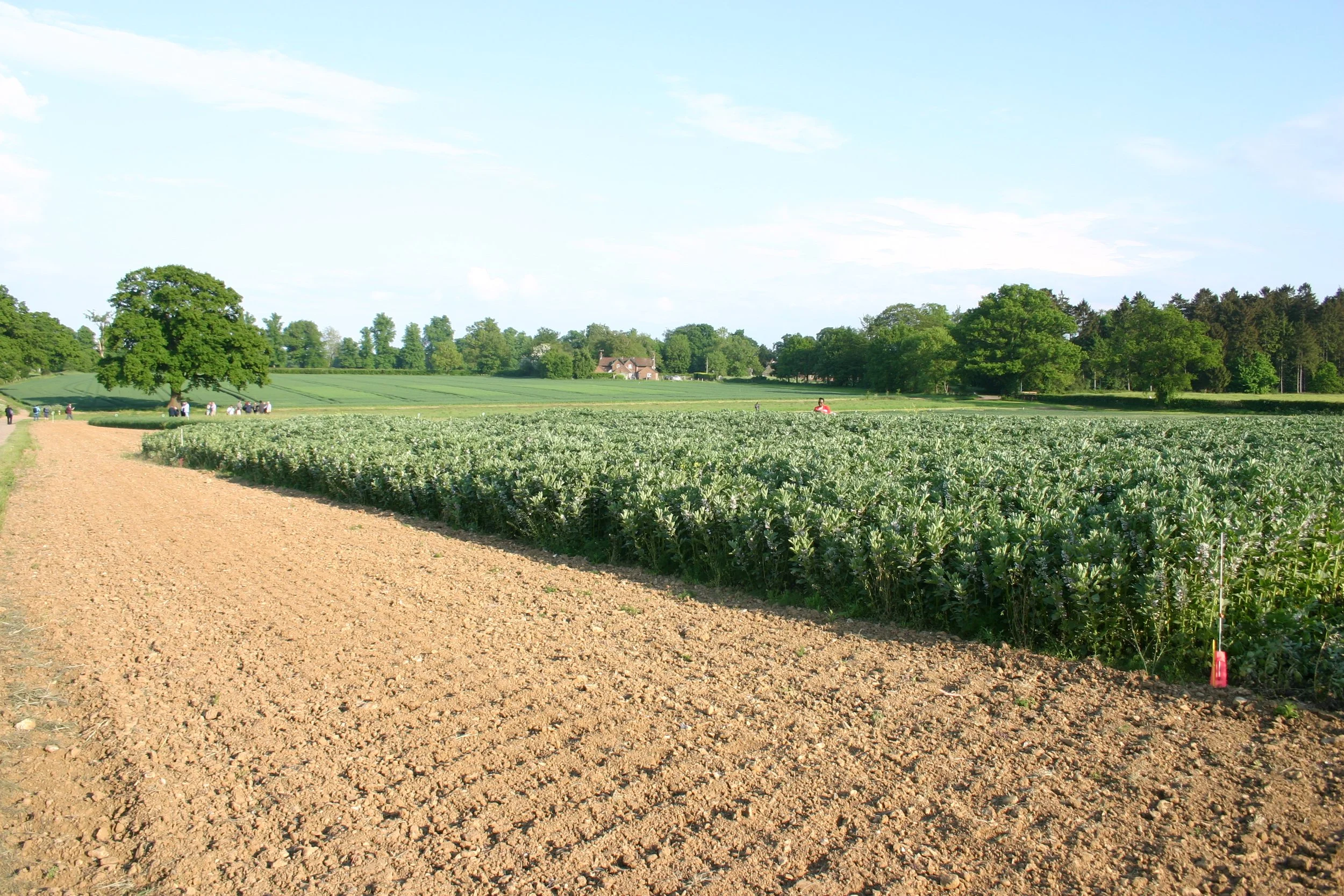
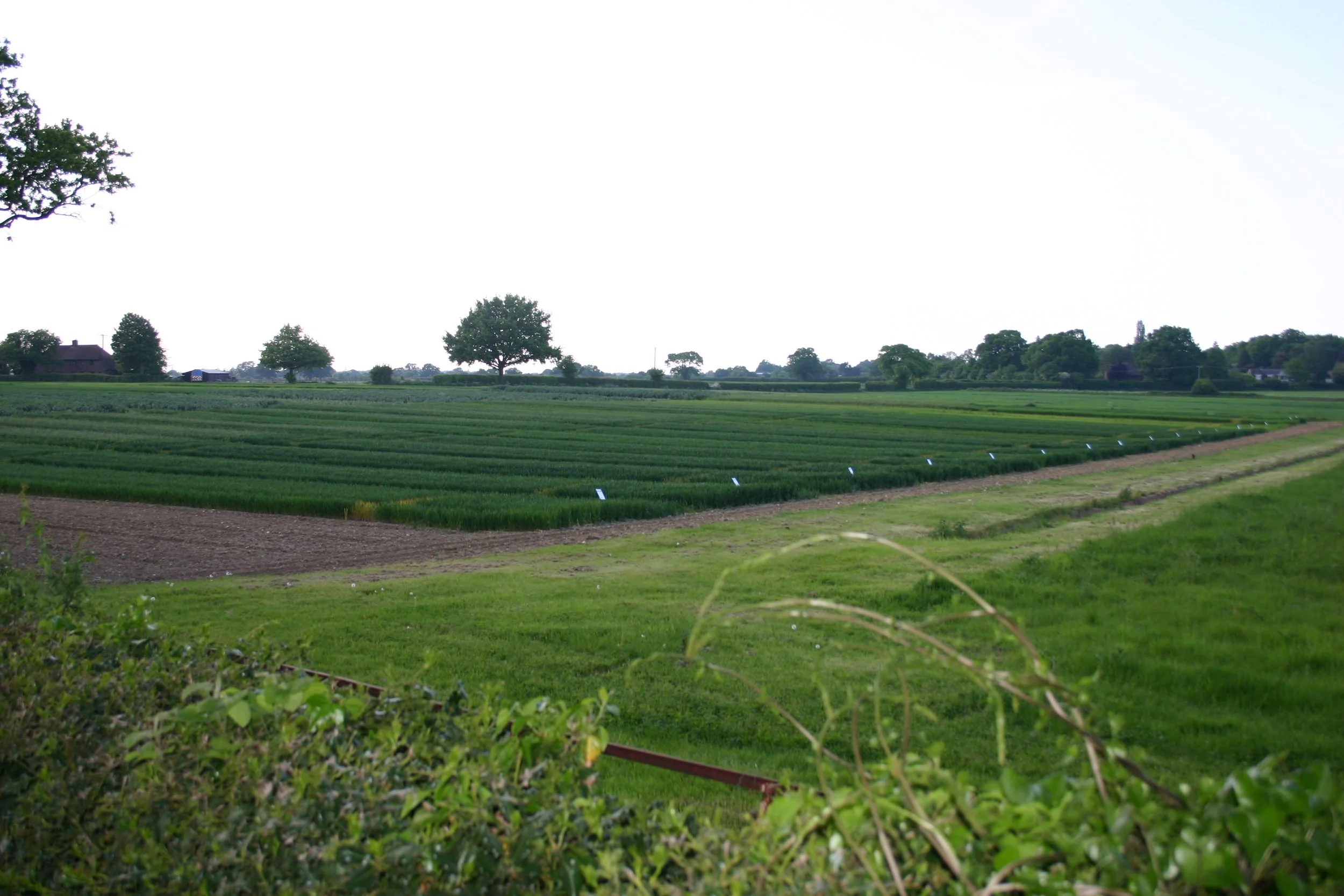
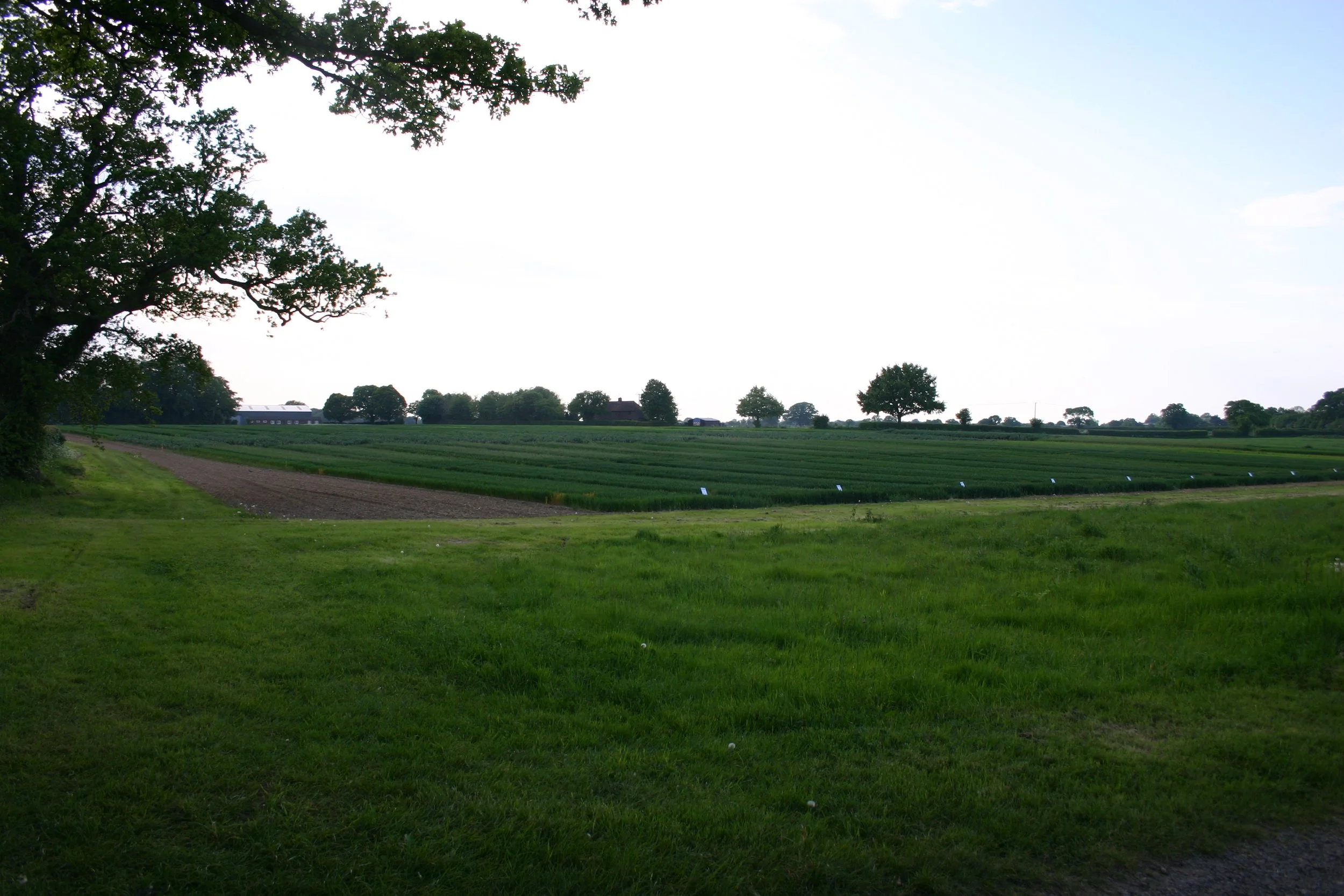
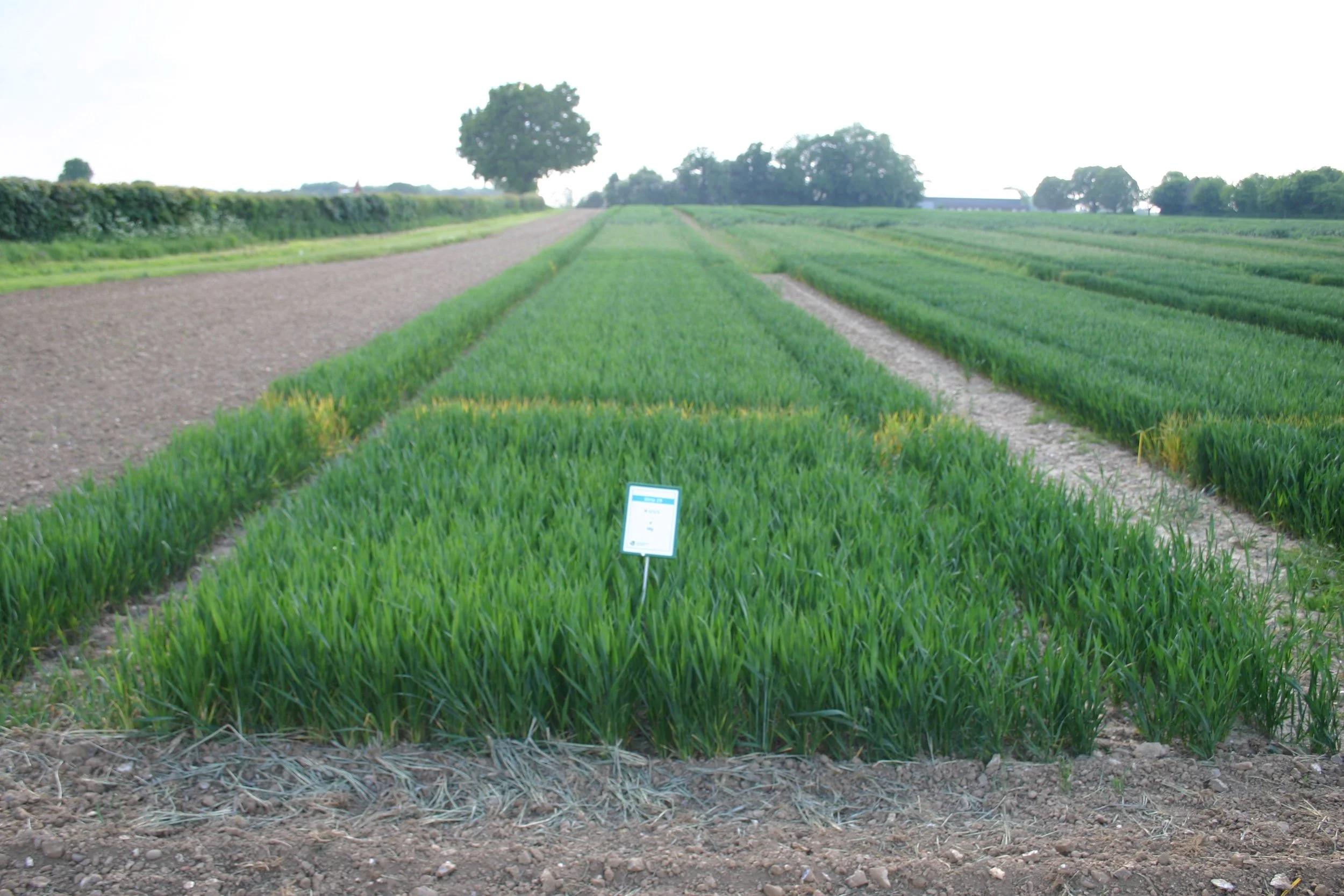
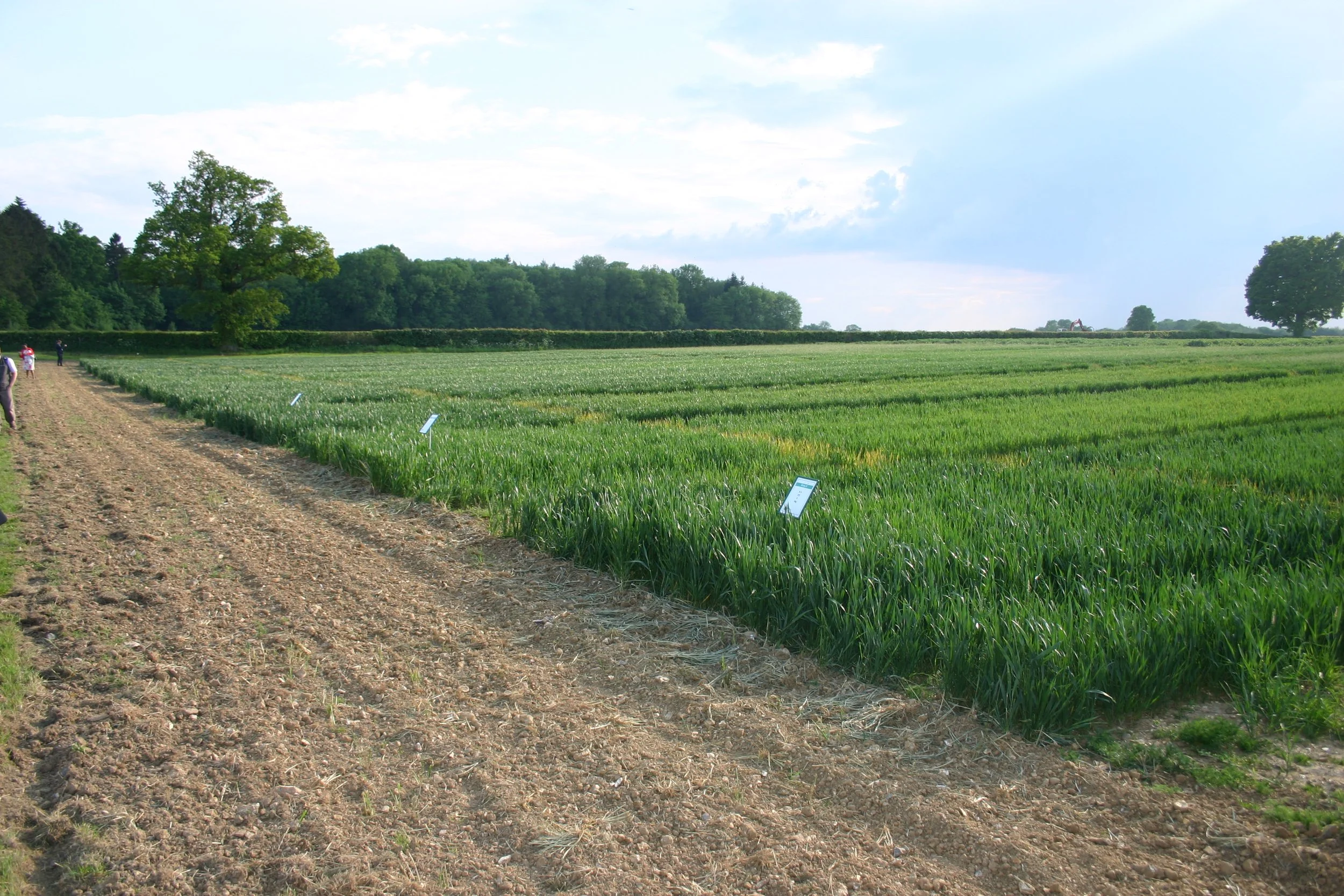
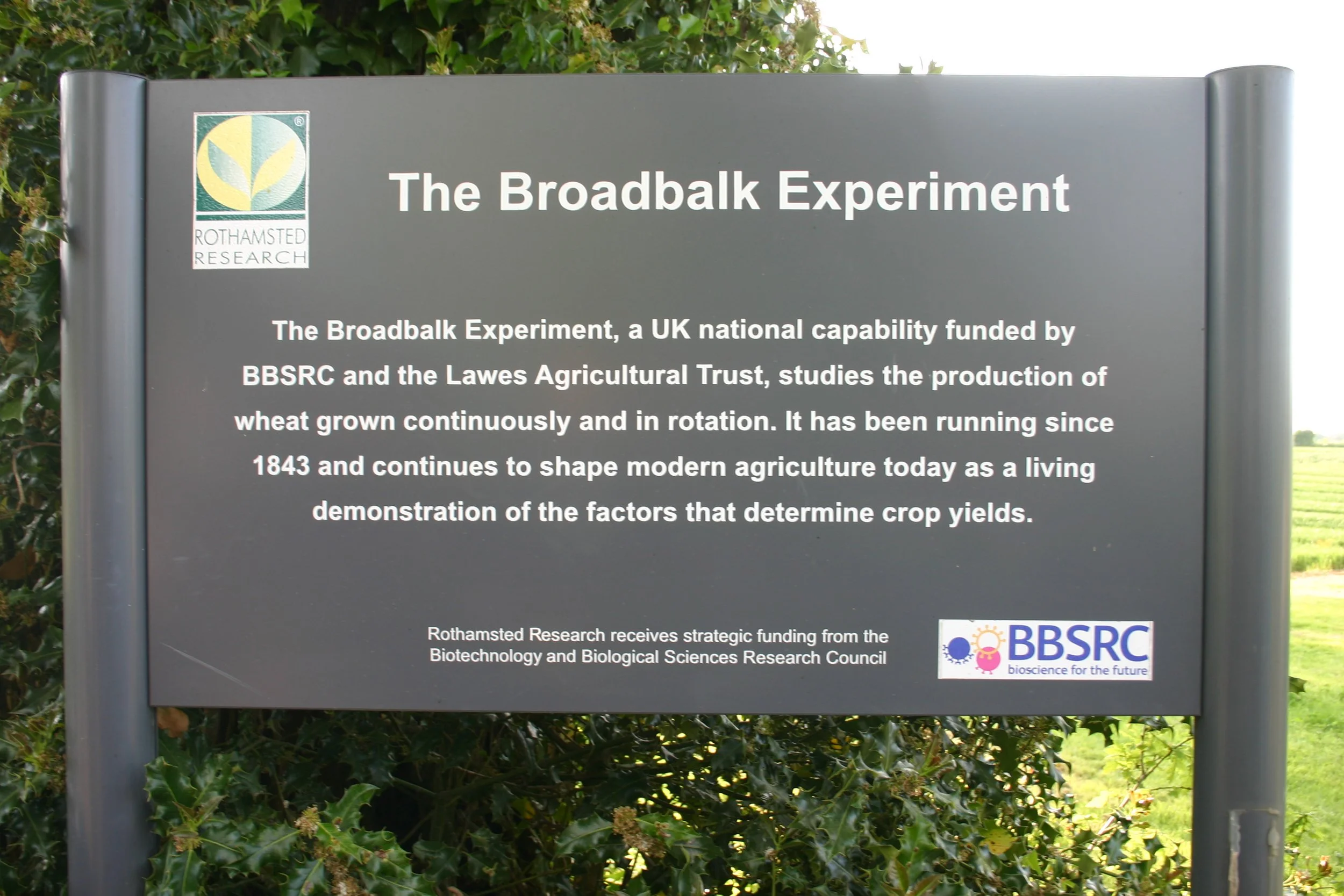
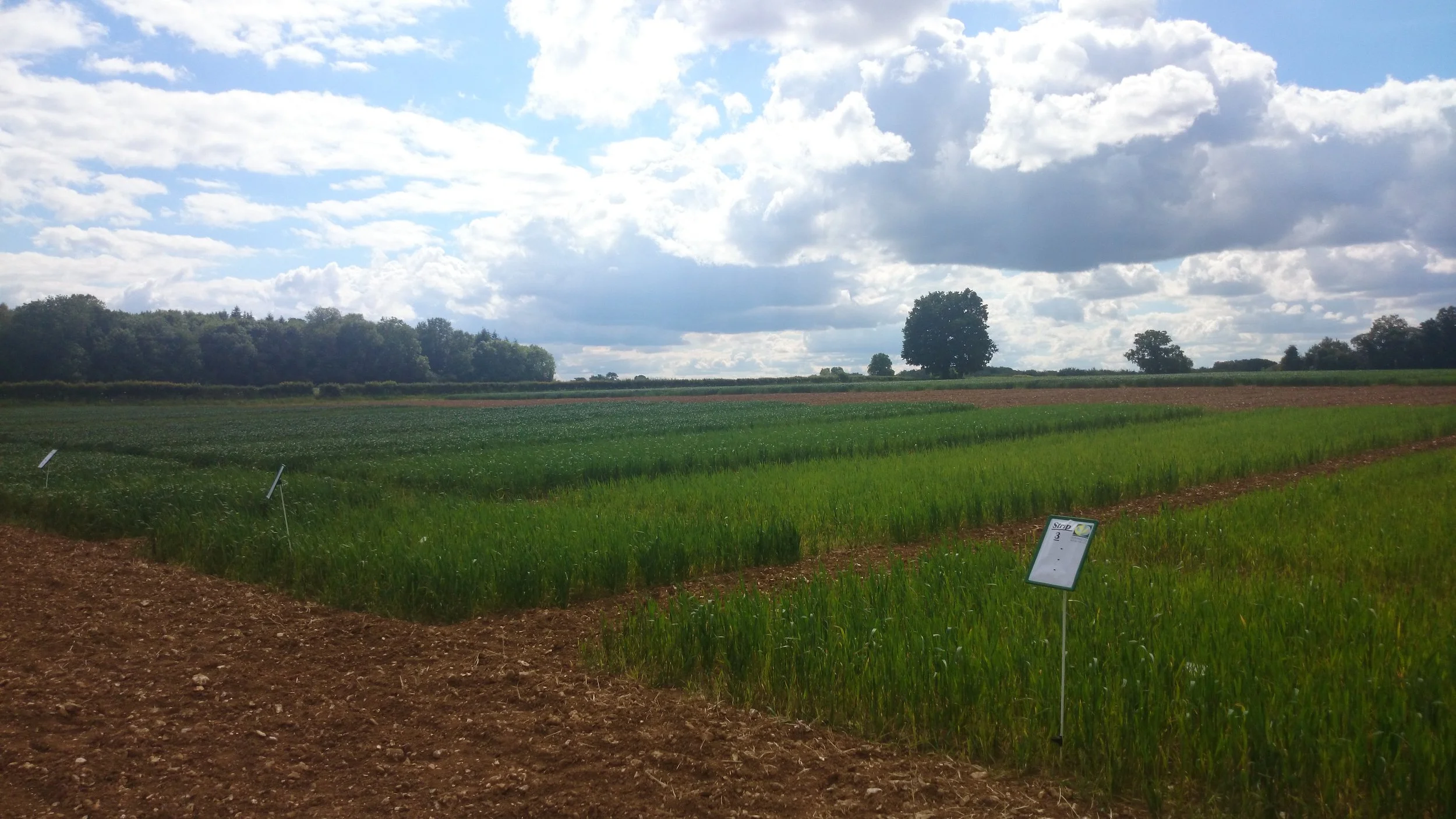
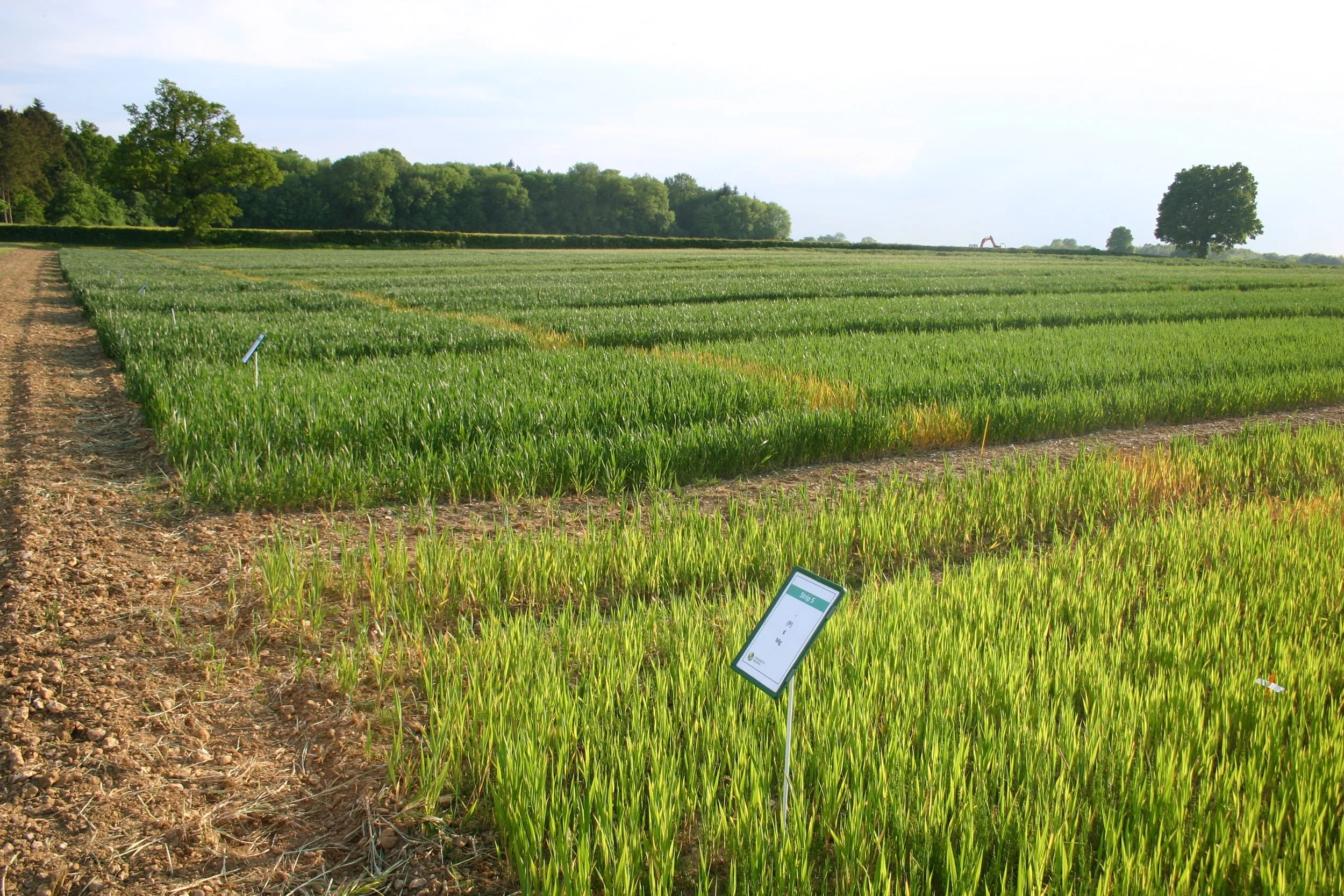
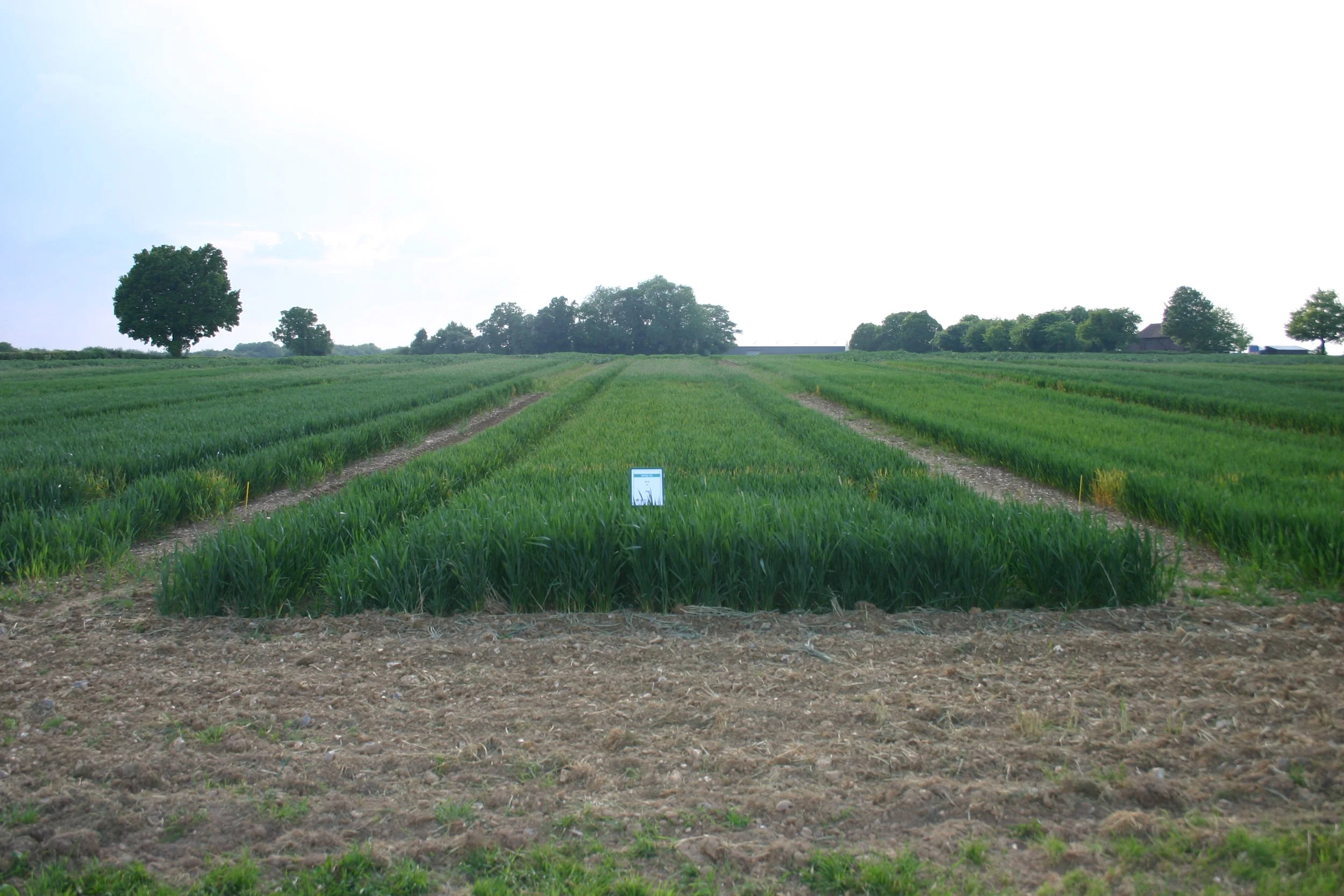
Established in 1843, Broadbalk field is located 28 miles north of London at Harpenden. It is the oldest long-term experiment (LTE) in the world and listed as such in ‘Guinness World Records’. It is therefore unique and has been the exemplar on which many other LTEs around the world are based. Its focus was originally agricultural production, specifically of winter wheat. Whilst this remains an important driver, agroecology – environmental impact, weed ecology, microbial ecology, soil health - has been studied at the LTE since the 1960s.
Experiment start date: 1843
Habitat type: Grassland/Arable
Experiment type: Nutrients
Site size: ~ 4 hectares
Site manager: Andrew Gregory, Rothamsted Research.
Site owner: Lawes Agricultural Trust
Experiment conducted by: Andrew Gregory, Rothamsted Research.
Experiment goal: To test the effect of different organic manure and inorganic fertilisers on crop production and sustainability.
Stakeholders: Lawes Agricultural Trust, BBSRC, Environmental Change Network (ECN)
Broadbalk and the published datasets generated from it are funded by the UK Biotechnology and Biological Sciences Research Council under the ‘Rothamsted Long-Term Experiments - National Bioscience Research Infrastructure (RLTE-NBRI)’, which includes all of Rothamsted’s Long-Term Experiments, the Sample Archive and Rothamsted's environmental monitoring activities including the weather stations and its role in the UK Environmental Change Network. Additional funding is provided by the Lawes Agricultural Trust, which owns the Rothamsted estate.
Visiting
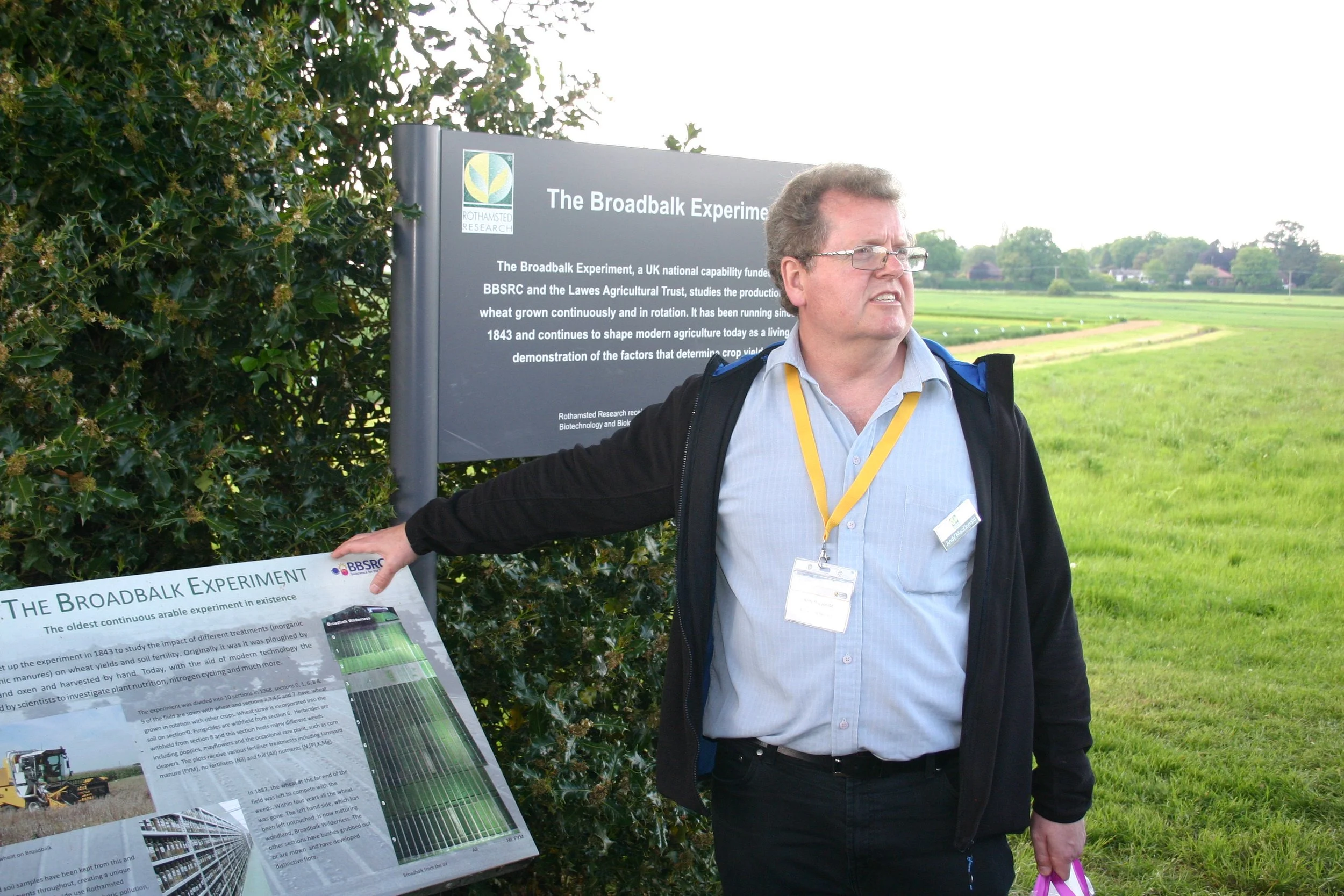
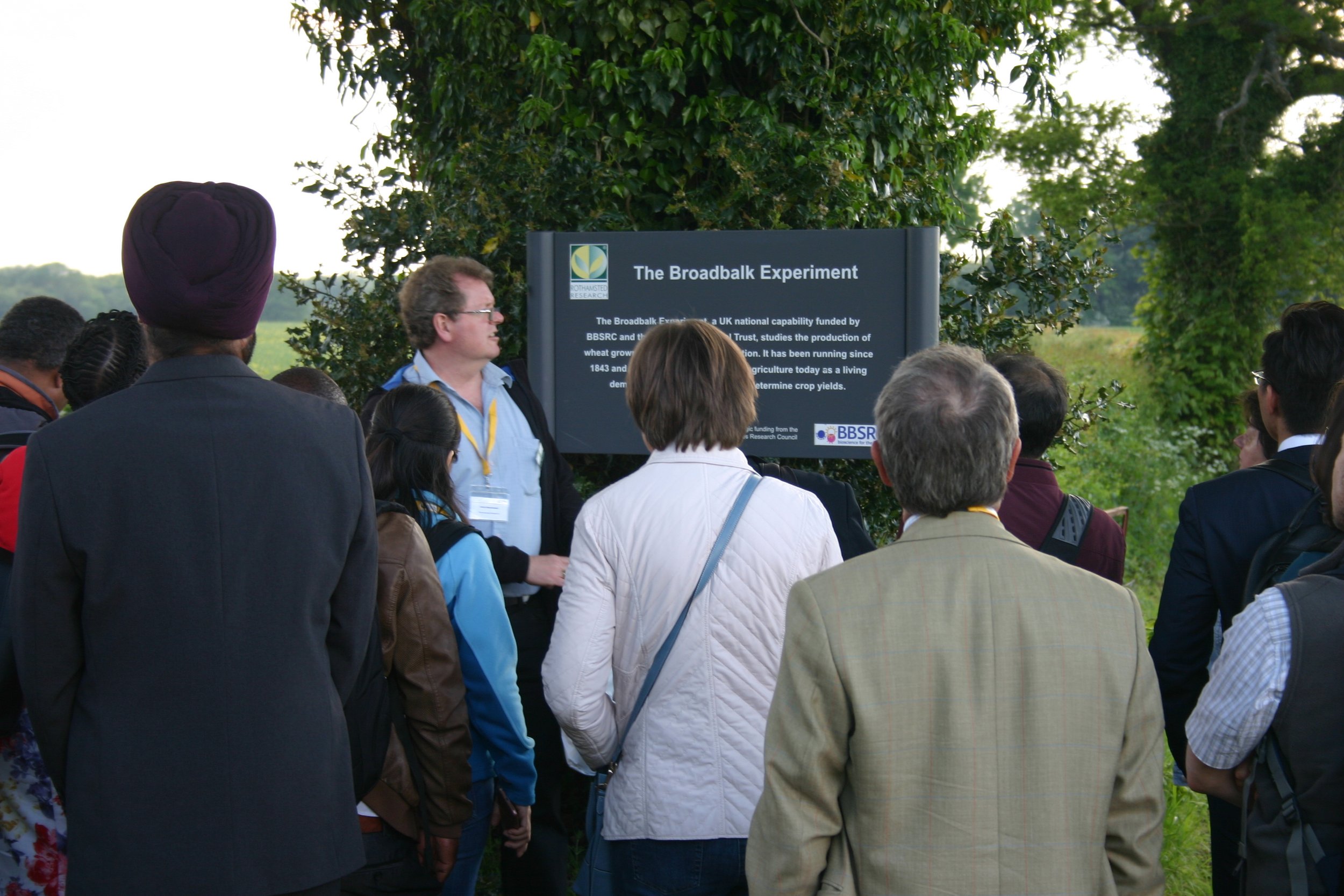
The Broadbalk LTE can only be visited by prior arrangement with Andy Gregory. The surrounding area of Harpenden has walking trails that are open to the public.
About the Experiment
-
Located 28 miles north of London, Broadbalk was established in 1843 by Sir John Bennet Lawes (1814-1900) and Sir Joseph Henry Gilbert (1817-1901). The site was most likely occupied since Roman times. The land (and Rothamsted Manor House) has passed from family to family since the 13th century, and in 1623 the site of Broadbalk was under arable cultivation as shown on an estate map of that date. John Bennet had inherited the manor and, when he died in 1783, his nephew John Bennet Lawes inherited it. It was Lawes, the estate owner with a passion for improving agriculture, who founded Rothamsted as a research institute. With Gilbert as his scientific collaborator, they established nine long-term experiments to investigate the nutrition of all the main crops and grassland critical to UK agriculture, with Broadbalk focused on winter wheat.
Initially the objective was to systematically understand which plant nutrients were critical for winter wheat production by applying them individually or in combination on separate, large plots year after year. Something never done before. Since then, the experiment has evolved as new technology and innovations have transformed agriculture. Agroecology has been studied since the introduction of herbicides to control arable weeds in the 1960s. Soil quality, as expressed by soil organic matter, has also been a major focus and, more recently, molecular methods have been used to study soil microbial diversity. A small section of Broadbalk field was fenced off and left to regenerate naturally in 1882 allowing the natural regeneration of deciduous woodland, making Broadbalk the oldest example of an experiment studying truly natural land restoration, with no management input.
The second wholly original development was the establishment of a Sample Archive in which samples of the plants, soil and the wide range of materials (chemical fertilisers, animal manures, various waste products) applied to all of the long-term experiments, are stored from the beginning. The Archive includes samples from other experiments around the world as well as those at Rothamsted and now contains more than 300,000 samples. The Electronic Rothamsted Archive (e-RA) complements the physical archive by storing an increasing amount of digital data that is updated continuously.
-
Phase 1 1852-1925
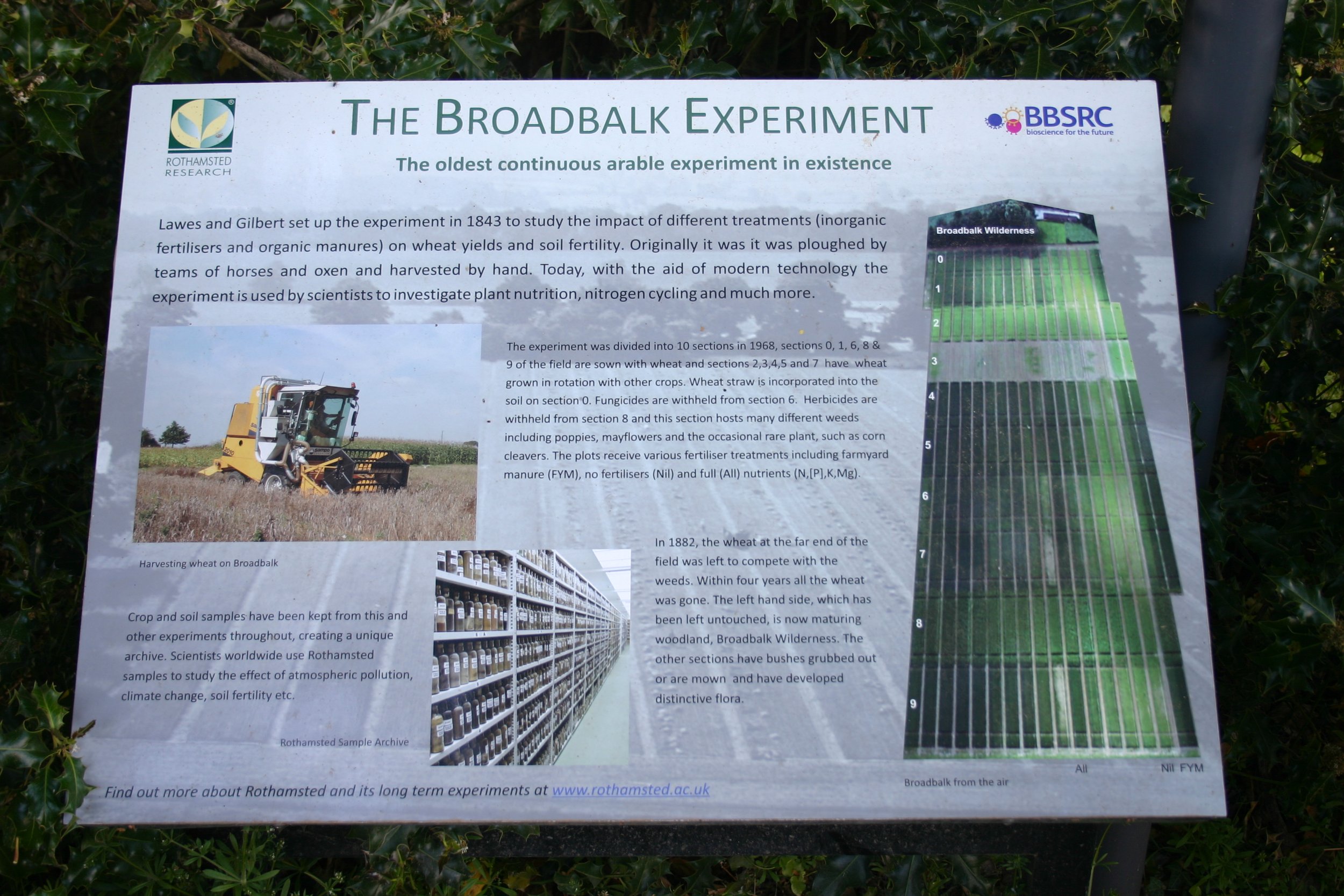
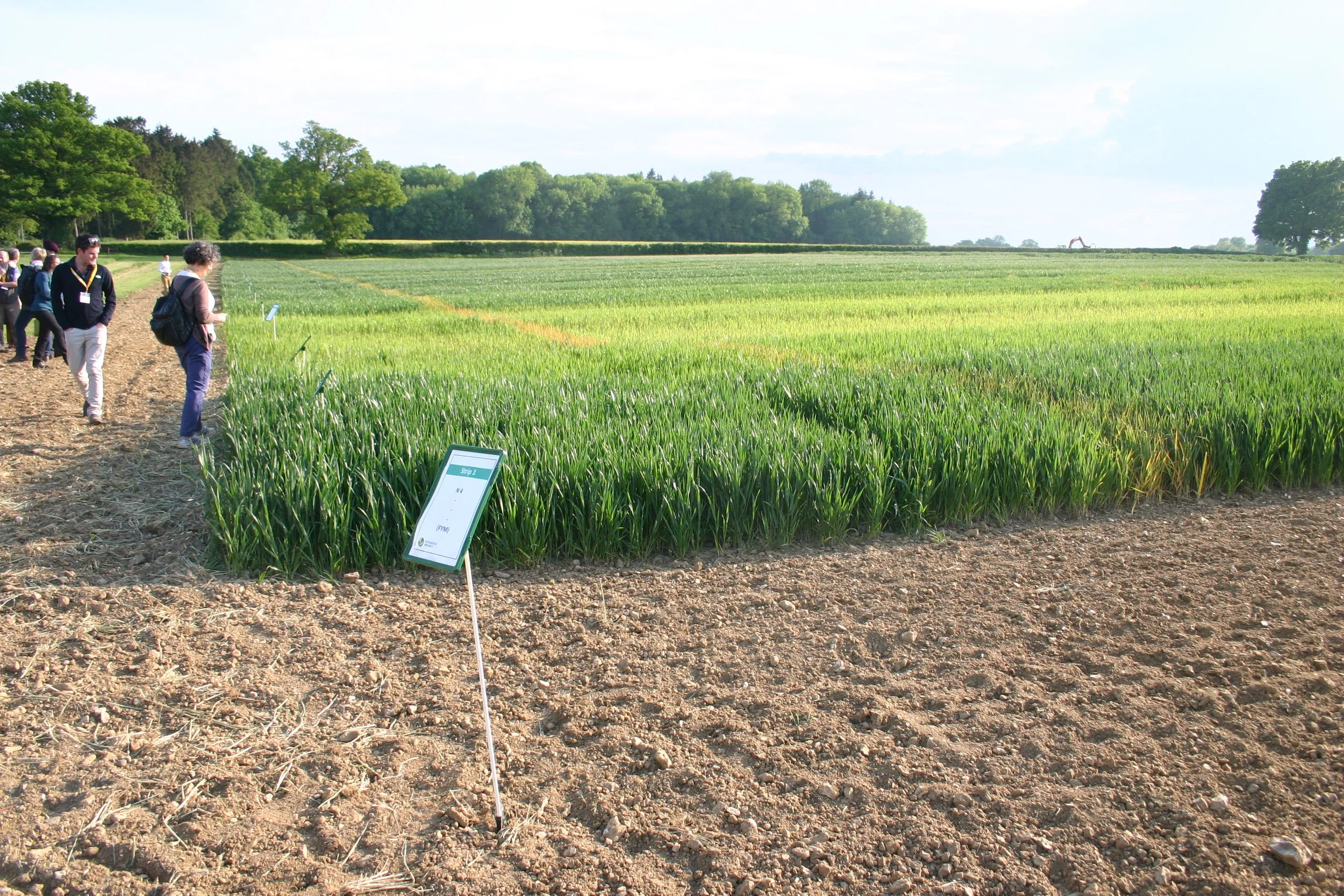
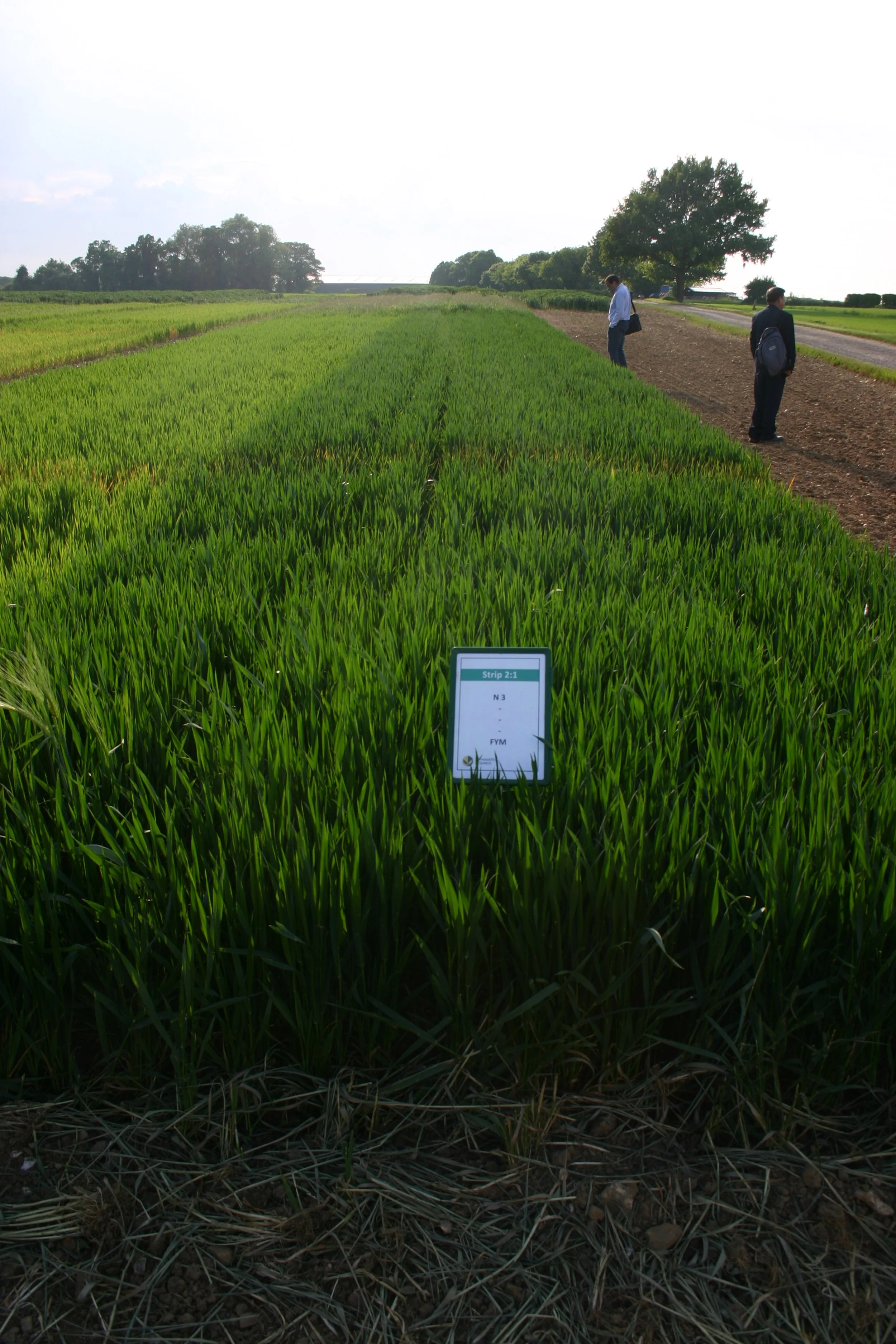
Nineteen large strip plots were set up across the field, 300m long and either 6m or 4m wide (Figure 1). There was no replication: agricultural statistics did not exist in the mid-nineteenth century. The long-term experiments at Rothamsted were used by Ronald A. Fisher (1890-1962) to develop his ideas on statistics.
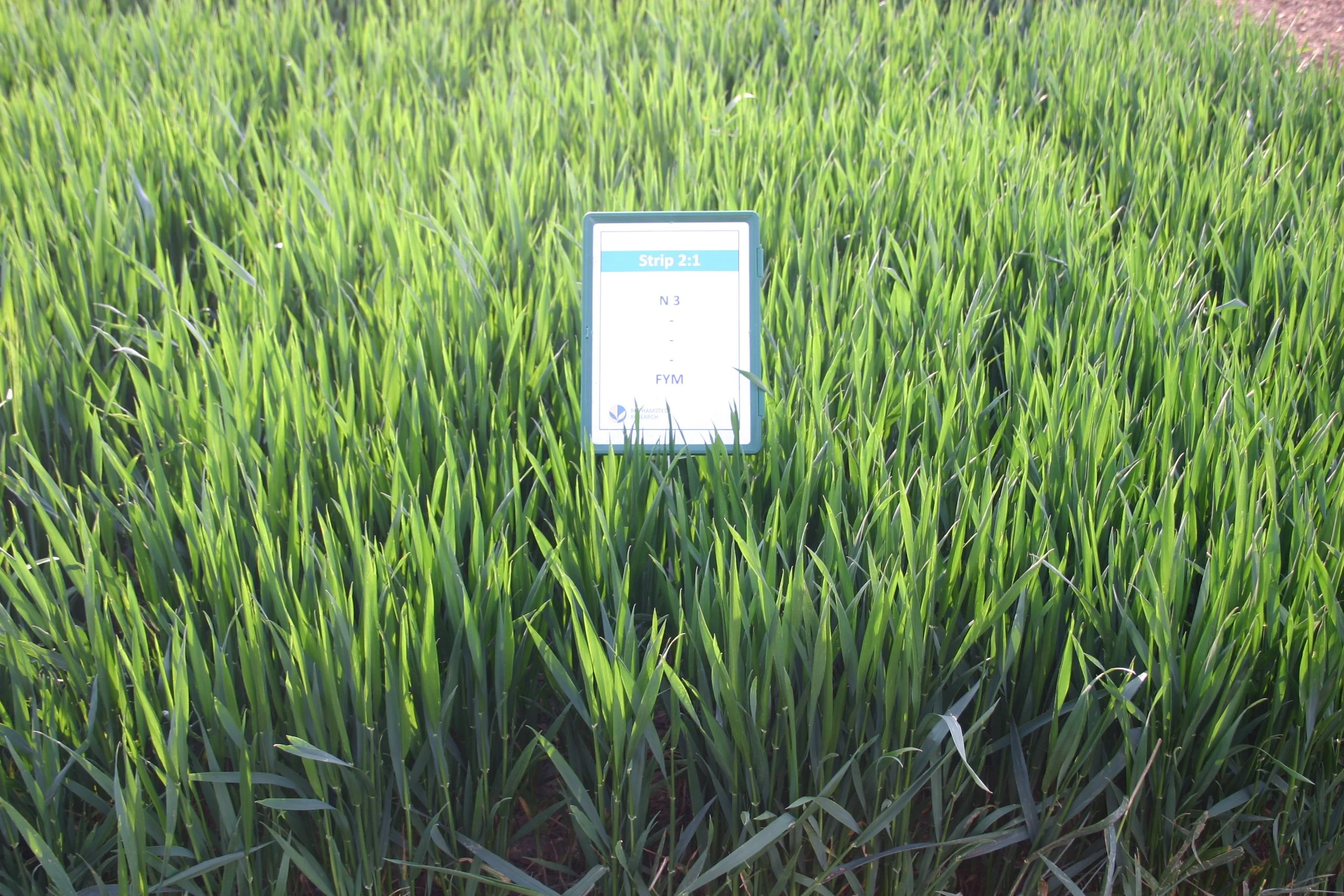
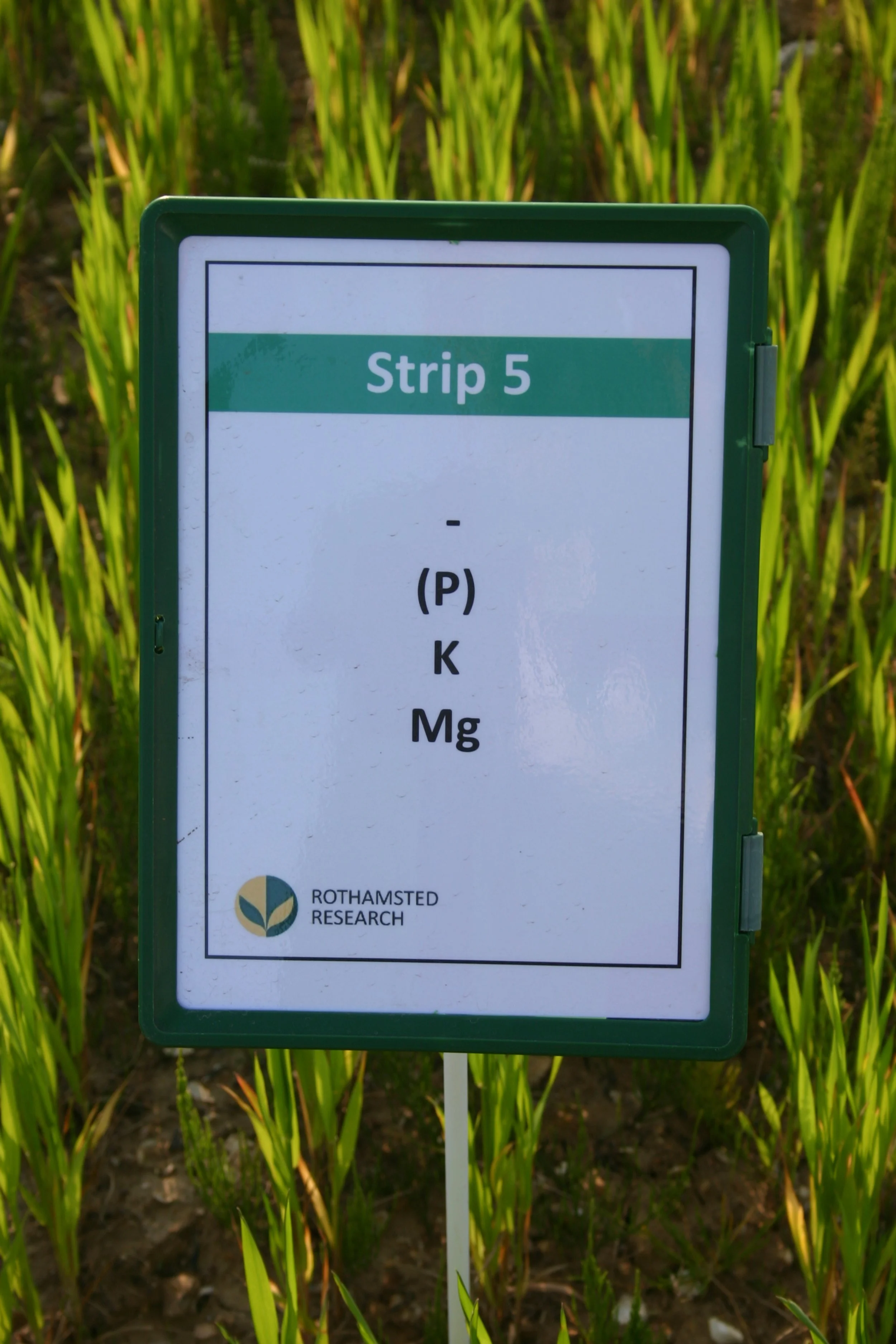
Nitrogen (N), phosphorus (P), potassium (K), magnesium (Mg) and farm yard manure (FYM) were all applied in different forms (e.g. potassium chloride or potassium sulphate) and, for N, in differing amounts (see Table 1, pg 9 in MacDonald, A.J. [eds.] 2018. Guide to the Classical and other Long-term experiments, Datasets and Sample Archive. Rothamsted Research for details).
Weeds were dealt with by hand-hoeing and the plots were ploughed by animals, initially by oxen, then horses.
A number of different wheat cultivars were grown in this phase, including Red Rostock, Red Club, Squarehead’s Master, and Red Standard.
Phase 2 1926-1967
Changes to the set up included Five Sections (I-V) established. Since increased weed problems had caused hand-hoeing to become impractical, bare fallowing was incorporated on one Section in any one year to allow the land to recover and to store organic matter, and also to control weeds.
Red Standard and Squarehead’s Master were the wheat cultivars used in this phase.
1950s - Chalk was first introduced to maintain the pH.
1964 - Herbicides were used for the first time.
1968 - The forms, amounts and combinations of treatments (N, P, K, FYM) across the strips were changed (see Table 1, pg 9 MacDonald, 2018).
Phase 3 from 1968
Changes to the set up included splitting the old Five Sections (I-V) in two to create 10 Sections (Sections 0-9) established so that the yield of wheat grown continuously can be compared to that grown in rotation after a break.
Sections 2, 3, 4, 5 and 7 are currently in a 5-year crop rotation (wheat-wheat-oats-wheat-beans) with every phase of the rotation present in any one year. Crops that have previously been part of the rotation include potatoes, maize, and a bare fallow (no crop).
Long-strawed wheat cultivars were replaced by modern short-strawed higher-yielding winter wheat cultivars. The following wheat cultivars were used in this phase: Capelle Desprez, Flanders, Brimstone, Apollo, Hereward, Crusoe, and Zyatt (the current variety).
Higher application rates of N were introduced to some plots in 1968 and again in the 1980s.
See Extended Experimental Design and Treatments for further historical changes.
Over the decades, the measurements and data that were collected included crop yields, crop grain and straw samples for chemical analyses, soil samples for chemical analyses, and meteorological data.
-
Results and innovation have driven Broadbalk’s evolution from crop production to sustainability of the whole agricultural system
Food security is highly dependent on crop yield and sustainability, which are affected by soil fertility (Johnston and Poulton 2018). While this experiment was set up to look at which nutrients were the most important, key historical developments led to results that brought the focus on soil quality and sustainability. A good example of this is when Lawes discovered that inorganic fertilisers (with the right amount of nitrogen) gave the same yield as 35t/ha of farmyard manure (FYM). He knew that farmers would not have enough FYM to apply to every crop on every field and therefore showed that chemical fertilisers were acceptable substitutes to maintain crop production.
Figure 2 illustrates how Broadbalk’s key developments such as plant breeding, fertiliser use, herbicide application and weed management have affected crop yield, which led to their widespread adoption.
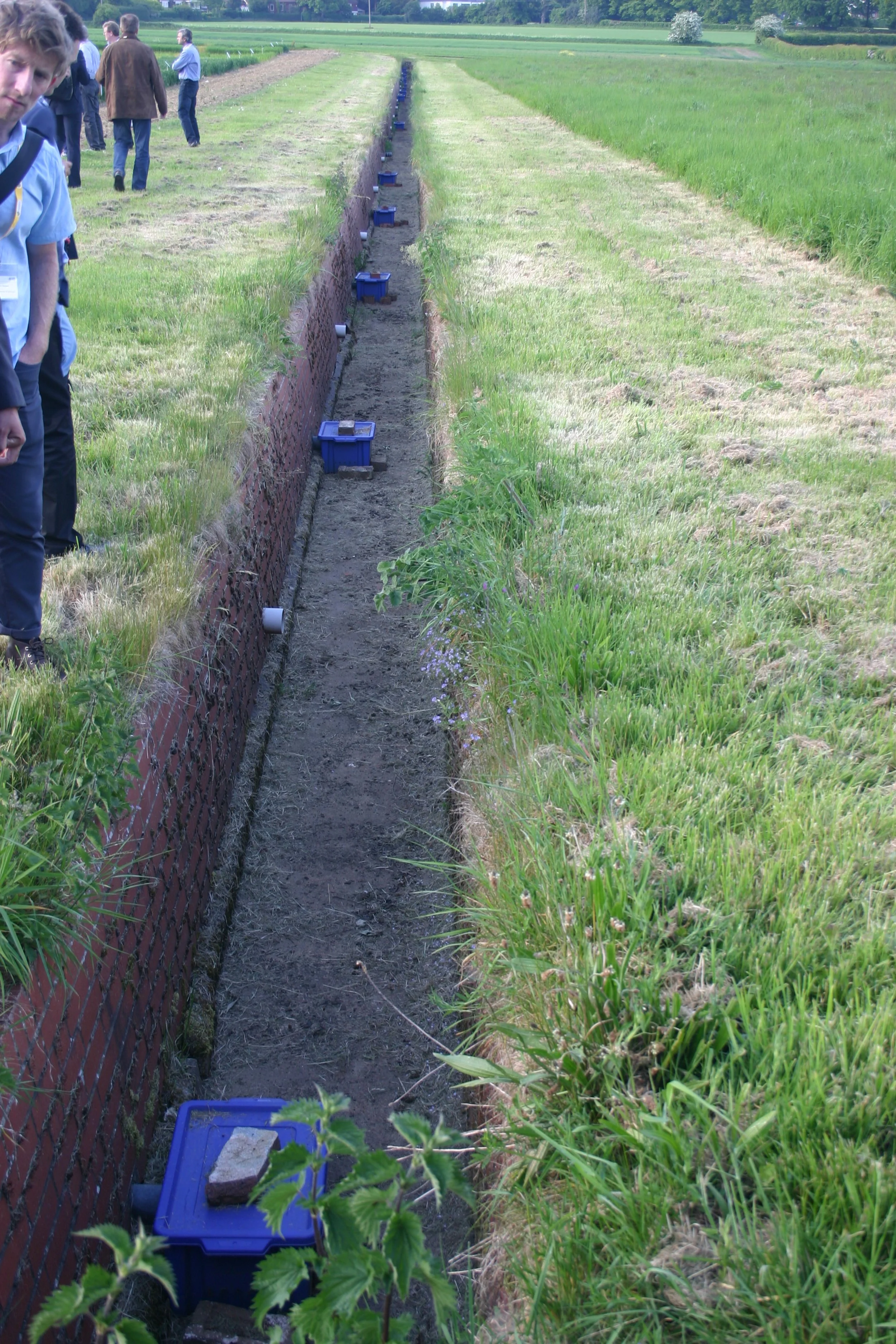
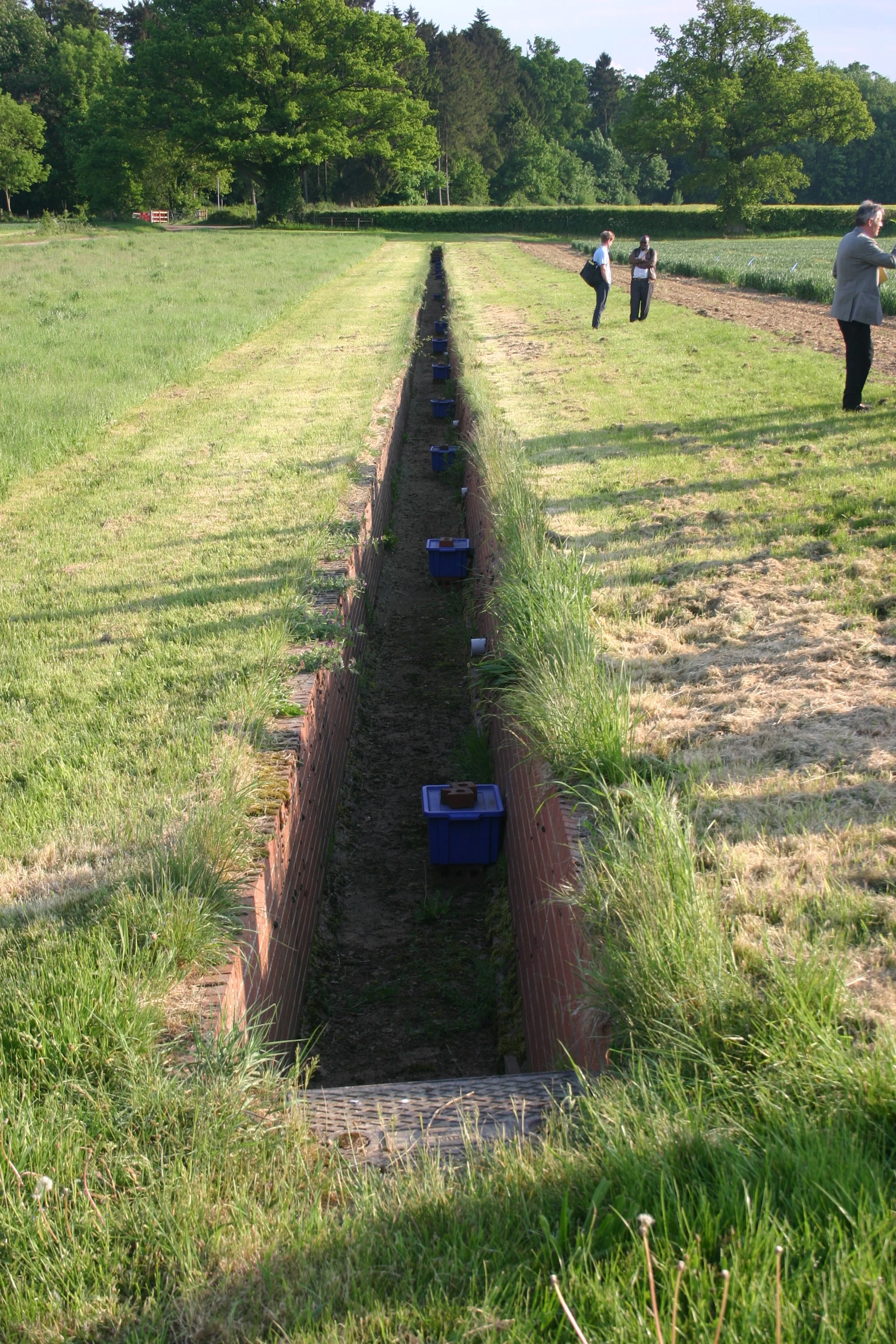
However, all farming results in nitrogen losses to air and water and phosphate leaching to water. These have been studied on Broadbalk since the insertion of drains in 1849 (Goulding et al. 2000). Nitrogen stable isotope analysis on Broadbalk (Johnston and Poulton, 2018) revealed that up to 25% of the nitrogen from fertiliser is lost by leaching or denitrification, and that these losses are directly related to the excess nitrogen applied above the crop needs.
Also ‘Green Revolution’ plant breeding has developed wheat cultivars with greatly increased yield potential (Figure 2) but cause a functional deterioration in the rhizosphere biome, reducing the selection of nutrient-solubilising bacteria in the rhizosphere (Smith et al 2025).
Increased fertiliser use and a change in the crop cultivar has exacerbated the threat of weeds today
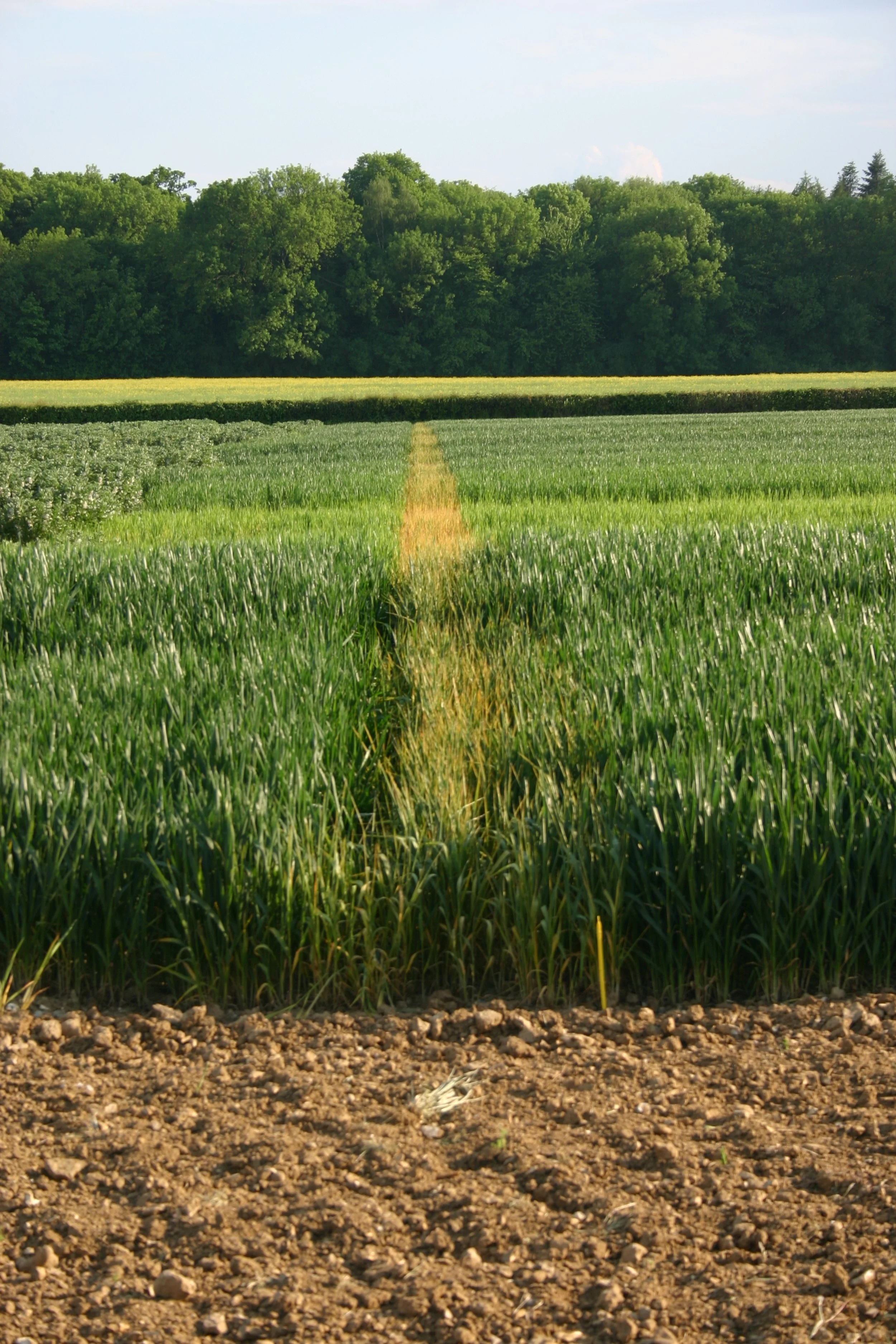
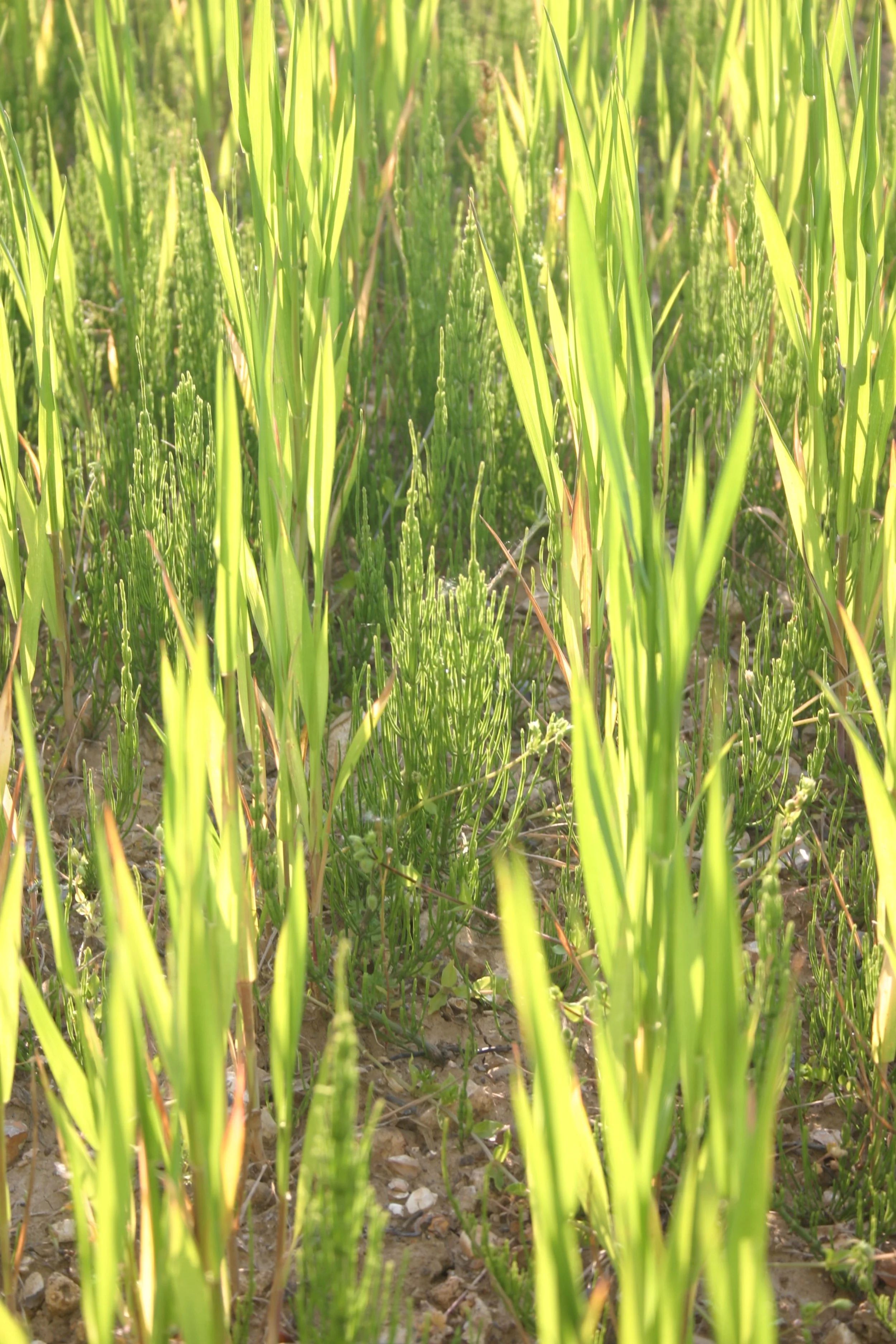
While weeds pose a threat to crop productivity, the usefulness of chemicals is decreasing as weeds develop herbicide resistance. Herbicides were introduced to Broadbalk in 1968, but one strip (Section 8, Figure 1) has never received herbicide. This provides a unique opportunity to study seven nationally rare or uncommon arable ‘weed’ species (Moss et al 2017) and to compare how different the crop yields were between plots that had herbicide applied and those which did not (Section 8).
Changes in crop management and the environment can also affect weeds, so Storkey et al (2021) studied to what extent crop yield changed due to factors other than the herbicide application. By looking at spatial and temporal trends in the crop yields across the treatments, they found that a combination of increased nitrogen fertiliser and a change in crop cultivar (short strawed varieties from 1968) showed the biggest difference in crop yields between the strips that had herbicide applied, and Section 8.
Increasing amounts of nitrogen fertiliser also change weed composition; species become less diverse, dominated by nitrogen-loving species, and the more competitive. In effect, the weeds become more of a threat, although changing sowing date can decrease weed pressure and weed competitiveness.
Efficient nutrient use can help mitigate against climate change
Excessive nitrous oxide (N₂O) emissions from agricultural soils indicate that nitrogen is not being used efficiently. Reducing these losses is important for food sustainability and climate mitigation because N₂O has a global warming potential about 300 times greater than that of carbon dioxide. Neal et al (2023) describe a theory that soil is an extended composite phenotype which shows the interplay between different factors, such as organic matter input and nutrient use efficiency.
By examining soil structure, chemistry and microbial genetics, they found that the organic matter in farmyard manure affects the expression of the microbial genes that control nitrogen metabolism and that these genes were in abundance, resulting in less N₂O emission from nitrogen fertiliser. The organic matter in the manure also helps to create better soil structure, reducing the risk of waterlogging and anaerobic conditions which exacerbate N₂O production through denitrification.
Therefore, by using the right amount of manure or other forms of organic matter, nutrient use efficiency can be improved and climate change mitigated.
-
Dr Andy Gregory
Tel: +44 (0) 1582 938 482
Email: andy.gregory@rothamsted.ac.uk
Much of the data is Open Access. Prospective users of soil and crop samples and non-open access data are asked to contact either Dr Gregory or the e-RA team at: https://www.era.rothamsted.ac.uk/contact.php
Would you like to see experiments like this continue to have impact? Then consider donating to the ECT.
View similar sites
-
Ainsdale Dune Slacks, Aston Rowant, Buxton, Colt Park Meadows, Denmark Farm, Elan Valley Meadows, Glen Finglas, Hillsborough LTS, Loughgall, Moor House Grazing Plots, Nash’s Field, Newborough Warren, North Wyke Farm Platform, North Wyke (Rowden Plots), Park Grass, Palace Leas, Pound Hill, Pwllpeiran/Brignant, Raisbeck & Pentwyn, Somerford Mead, Tulloch, Wardlow, Wicken Fen, Wytham (Gibson/RainDrop)
-
Budworth Common, Colt Park Meadows, Culardoch, Elan Valley Meadows, Glas Maol, Hillsborough LTS, Llyn Brianne, Moorco, Nash’s Field, Newborough Warren, North Wyke Farm Platform, North Wyke (Rowden Plots), Park Grass, Pwllpeiran, Raisbeck & Pentwyn, Ruabon Moor, Tadham & Tealham Moor, Thursley Common, Wardlow, Whim Bog
-
Ainsdale Dune Slacks, Aston Rowant, Bamford Edge, BIFoR-FACE, Buxton, Colt Park Meadows, Denmark Farm, Hordron Edge, Little Budworth Common, Moorco, Moor House Grazing Plots, Moor House Hard Hill, Nash’s Field, North Wyke Farm Platform, North Wyke (Rowden Plots), Park Grass, Palace Leas, Peatland-ES-UK, Somerford Mead, Thursley Common, Wardlow, Wicken Fen, Wytham, (Gibson/RainDrop)
