|
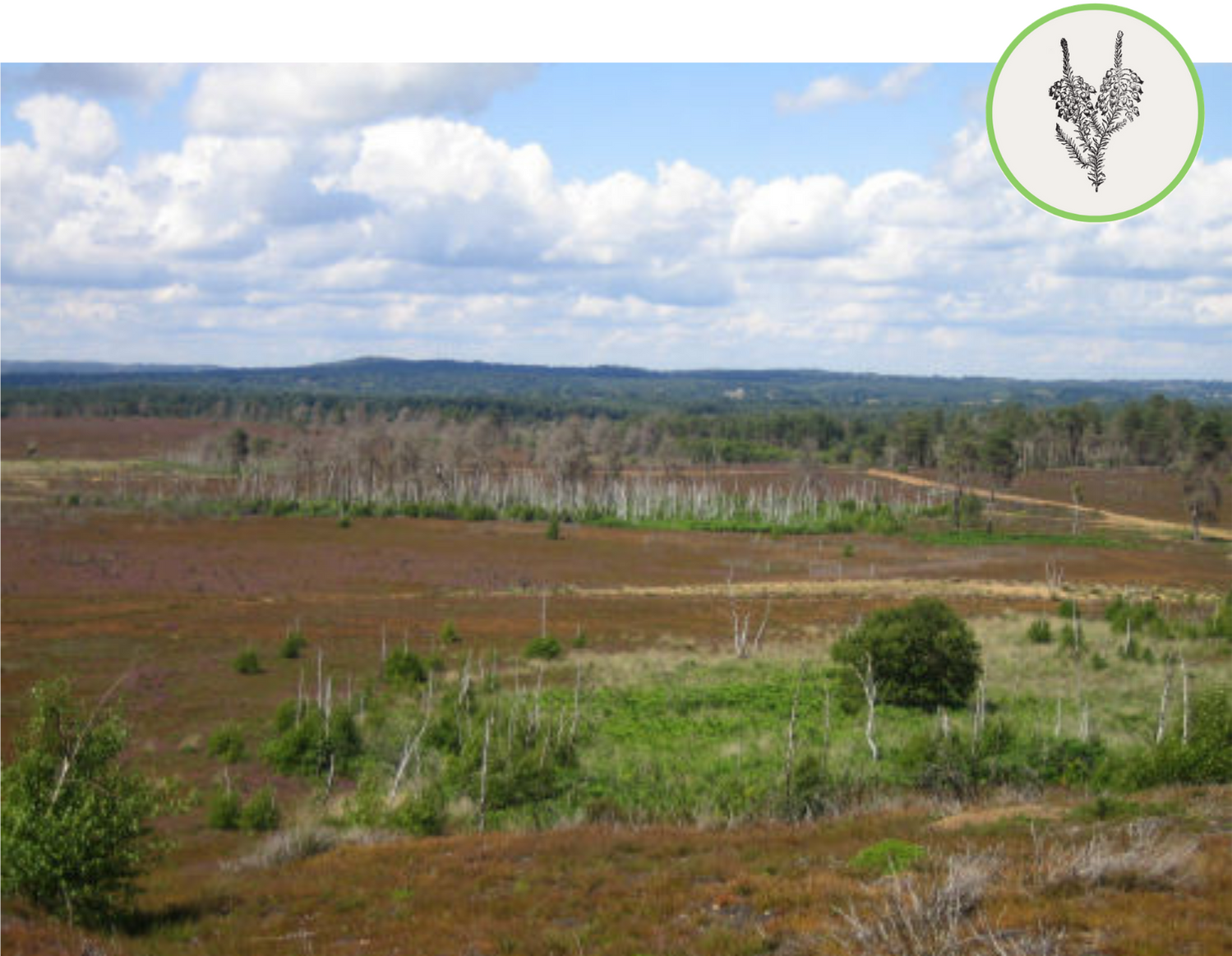
NEW PUBLICATION FROM THE BUXTON TEAM A recent publication in Communications Biology, demonstrates the value of long-term ecological experiments. Carried out as part of a collaboration between Lancaster University and the University of Liverpool, this study used soils from the Buxton Climate Change Impacts Laboratory (BCCIL). It provides initial evidence that co-adaptation to climate change treatments might influence how plants and microbes interact via plant stress hormones. Three plant hormones related to drought stress were added to soils taken from drought, irrigated and control treatments. This led to soil microbial respiration, but to a lesser extent in soils taken from long-term drought treatments than in soils from irrigated plots. Additionally, soil fungi and Gram-positive bacteria from droughted and irrigated soils showed opposing response to hormone additions. These results indicate that regular severe drought altered the response of soil microbial communities to plant stress signalling. More work is needed to determine whether co-adaptation to drought has altered plant-microbial communication. However, such studies are only possible if they are based on long-term experimental treatments. Emma Sayer (Lancaster University) who is part of the BCCIL team wrote a blog piece on this paper for Nature Microbiology Community.
|