|
Mary Beth͏ ͏ ͏ ͏ ͏ ͏ ͏ ͏ ͏ ͏ ͏ ͏ ͏ ͏ ͏ ͏ ͏ ͏ ͏ ͏ ͏ ͏ ͏ ͏ ͏ ͏ ͏ ͏ ͏ ͏ ͏ ͏ ͏ ͏ ͏ ͏ ͏ ͏ ͏ ͏ ͏ ͏ ͏ ͏ ͏ ͏ ͏ ͏ ͏ ͏ ͏ ͏ ͏ ͏ ͏ ͏ ͏ ͏ ͏ ͏ ͏ ͏ ͏ ͏ ͏ ͏ ͏ ͏ ͏ ͏ ͏ ͏ ͏ ͏ ͏ ͏ ͏ ͏ ͏ ͏ ͏ ͏ ͏ ͏ ͏ ͏ ͏ ͏ ͏ ͏ ͏ ͏ ͏ ͏ ͏ ͏ ͏ ͏ ͏ ͏ ͏ ͏ ͏ ͏ ͏ ͏ ͏ ͏ ͏ ͏ ͏ ͏ ͏ ͏ ͏ ͏ ͏ ͏ ͏ ͏ ͏ ͏ ͏ ͏ ͏ ͏ ͏ ͏ ͏ ͏ ͏ ͏ ͏ ͏ ͏ ͏ ͏ ͏ ͏ ͏ ͏ ͏ ͏ ͏ ͏ ͏ ͏ ͏ ͏ ͏ ͏ ͏ ͏ ͏ ͏ ͏ ͏ ͏ ͏ ͏ ͏ ͏ ͏ ͏ ͏ ͏ ͏ ͏ ͏ ͏ ͏ ͏ ͏ ͏ ͏ ͏ ͏ ͏ ͏ ͏ ͏ ͏ ͏ ͏ ͏ ͏ ͏ ͏ ͏ ͏ ͏ ͏ ͏ ͏ ͏ ͏ ͏ ͏ ͏ ͏ ͏ ͏ ͏ ͏ ͏ ͏ ͏ ͏ ͏ ͏ ͏ ͏ ͏ ͏ ͏ ͏ ͏ ͏ ͏ ͏ ͏ ͏ ͏ ͏ ͏ ͏ ͏ ͏ ͏ ͏ ͏ ͏ ͏ ͏ ͏ ͏ ͏ ͏ ͏ ͏ ͏ ͏ ͏ ͏ ͏ ͏ ͏ ͏ ͏ ͏ ͏ ͏ ͏ ͏ ͏
|
EXEC’S CORNER Welcome to the first quarterly edition of ECT’s newsletter for 2023, headlining with a major 4-page feature article on long-term ecological field experiments (LTEs) that appeared in The Biologist this month. Almost simultaneously, one of ECT’s founding trustees Jonathan Silvertown penned an article published in the British Ecological Society’s (BES) membership magazine The Niche which helps to further reinforce the message that long-term thinking provides a unique perspective and that LTEs remain essential ‘tools’ in a time of environmental crisis. This year, ECT and partners will be taking some early steps to build on the UK’s long tradition of plot-scale LTEs by embracing a developing need for long-term landscape-scale experiments and monitoring. In June this year, we will be hosting (in partnership with BES) a one-day workshop in London to bring together the UK’s major landowners and managers for discussions around the design and implementation of landscape-scale experiments and monitoring. In the Autumn, ECT’s annual scientific conference planned over two days in East Anglia will also focus on landscape-scale LTEs in collaboration with the National Trust. Watch this space. And finally, please do note below our fresh campaign to recruit new members to ECT’s Volunteer Pool and our associated new webpage on ‘Opportunities’ to get involved with the charity. Ben Sykes
|
|
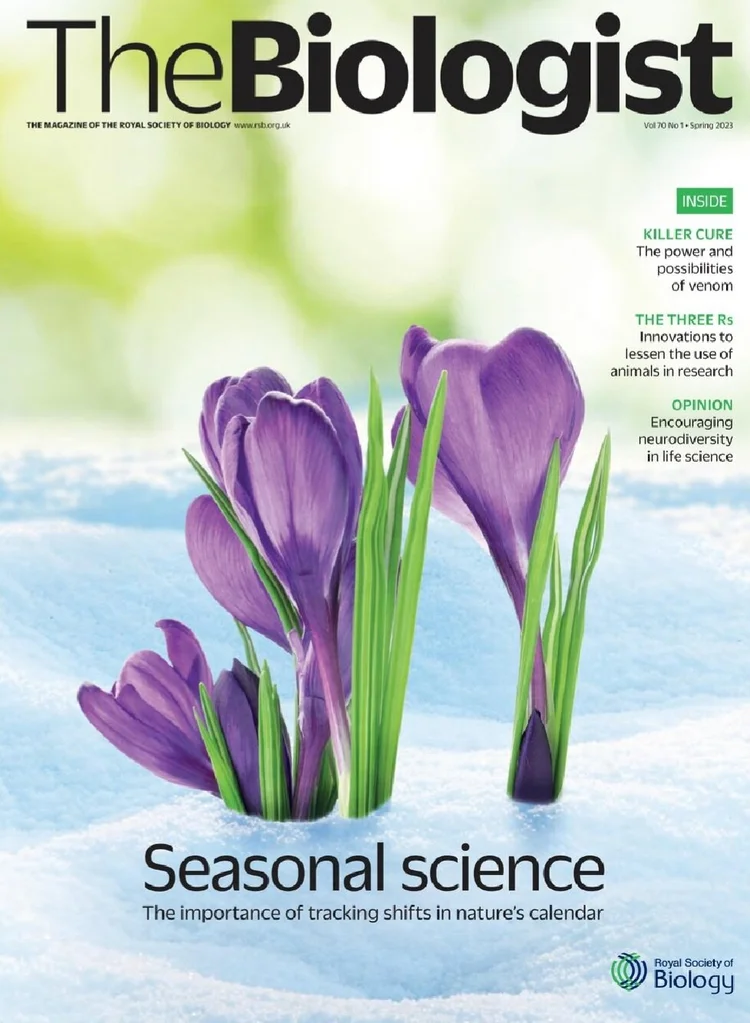
ROYAL SOCIETY OF BIOLOGY: THE BIOLOGIST The latest issue of the Royal Society of Biology’s (RSB) membership magazine The Biologist features a 4-page article on long-term ecological field experiments ‘In it for the long run’, written by our Director Ben Sykes. ECT is a supporting organisational member of the RSB, and we are eager to co-host site visits to long-term experiments (LTE) with regional RSB branches. If you are interested in organising a site visit with us and your regional RSB branch, please get in touch with our communications officer Danae Dodge. |
|
|
|
|
|
ECT SMALL GRANTS FOR BIOSCAN PARTICIPATION BIOSCAN is a flying insect biodiversity initiative led by the Sanger Institute which featured in ECT’s February webinar (see below for recording details). The BIFoR-FACE experiment recently joined the project, along with other LTEs on ECT’s national register. The Sanger Institute is keen for other LTEs to get involved in this exciting initiative, and it is still accepting participants. All Principal Investigators who have LTEs registered with the ECT are eligible for a small grant to help support their participation in BIOSCAN. UPCOMING WEBINAR & RECENT RECORDINGS Recordings of Mike Morecroft’s webinar on climate change and LTEs and the BIOSCAN Flying Insect Diversity webinar featuring Lyndall Pereira, Mara Lawniczak (Sanger Institute) and Kris Hart (BIFoR-FACE) are now available on our YouTube channel. Our next webinar on Friday 14 April from 12:30pm will be on “32 Years of Research at SRUC Tulloch Agroecology Rotational Experiment” with speakers Christine Watson and Rob Graham from the Scottish Rural College (SRUC). To register, please e-mail Ben Sykes. LTE User Group members will have already received an automatic invitation via our Webex software. VOLUNTEER FOR THE ECT ECT is embarking upon a fresh campaign to grow its Volunteer Pool, which we call upon from time-to-time to either volunteer remotely on communications activities, or assist with open days/maintenance days at long-term experiment sites. (See our full list of sites). We expect to call on volunteers once or twice each year depending upon their availability at any given time. If travel to one of our sites is required, ECT will cover reasonable costs incurred by volunteers. This is a great opportunity if you love ecology and you want to gain charity experience. Volunteers must be at least 18 years of age. To register as a volunteer, please send an e-mail to Ben Sykes to express your interest and include a short paragraph describing any relevant skills/knowledge you may bring to a volunteer role. Relevant information could include subject knowledge, fieldwork experience, a passion for outdoor work, and any previous experience of being part of a volunteer team. We encourage our network to share this opportunity on Twitter, LinkedIn, and Instagram.
|
|
PEATLAND-ES-UK LONG-TERM EXPERIMENT: REPORTING ON TEN YEARS OF MONITORING IMPACTS OF HEATHER MANAGEMENT ON UK UPLAND PEATLANDS The Peatland-ES-UK research team at the University of York has released a ten-year project report which includes a full summary and a short summary. The report is an update to the previous five-year Defra-funded project report (Heinemeyer et al., 2019). It includes a wide-ranging comparative assessment of the impacts of heather-versus-no management on various ecosystem services. This includes the impact on carbon storage, greenhouse gas emissions, hydrology, water quality, and biodiversity. It provides answers to the ways in which heather-dominated peatland can be managed, with various methods to choose from to help tackle climate change impacts and biodiversity losses.
|
|
GLENSAUGH (MOORCO): GREEN HYDROGEN PROVIDES RENEWABLE ENERGY The team at the Glensaugh research farm at the James Hutton Institute have won funding from the Scottish Government’s Just Transition Fund to build a green hydrogen demonstration project as part of their new Climate-Positive Farming Initiative at Glensaugh. Glensaugh is one of the three component sites to the MOORCO long-term experiment investigating the effects of woodland colonisation upon moorland. It is also part of an ECT ‘hub’ bringing together LTEs with relevant long-term monitoring (LTM) projects.
|
|

|
BIFoR- FACE: NEW STAFF HELP WITH BIOSCAN The University of Birmingham has provided funding for the employment of a part-time worker in support of BIFoR-FACE’s association with the Sanger Institute’s BIOSCAN Initiative. As a result, Ester Konecna (pictured) is currently employed to work on BIFoR’s entomological collection. Ester is currently working through the sample archive alongside her undergraduate studies. Photo credit: Ester Konecna. |
|
|
BRIGNANT PLOTS: BOTANICAL SURVEY Last summer a comprehensive botanical survey of the Brignant plots LTE in mid-Wales was carried out by Jan Titěra of the Czech University of Life Sciences. Jan had received a Stapledon Memorial Trust Travel Fellowship to support his visit to Aberystwyth University to work on the site. Initial data analysis indicates that the sward composition of the plots is still changing almost 30 years after the different management regimes were first imposed. The results have been submitted to the 22nd European Grassland Federation Symposium due to be held in June 2023. Photo credit: Mariecia Fraser. |
|

|
|
|
|
PASTURE FOR LIFE JOINS ECT NETWORK Pasture for Life (PfL) has recently joined ECT’s LTE User Group community. PfL champions the restorative power of grazing animals on pasture, particularly the positive impacts it brings for biodiversity, climate, human health and wellbeing, and animal health and welfare. This means working to restore ecosystems, reconnect people with real food, and ensure grazing animals eat only what they evolved to eat. PfL is a member-led, not-for-profit organisation founded on the principle of peer-to-peer learning and change from the ground up. Anyone with an interest in pasture-based systems can become a member. PfL also certifies 100% pasture-fed farming systems. PfL is highly active within the research field. A recent project it has been involved with is SEEGSLIP, which has published papers on the benefits of mob grazing and how PfL systems can be beneficial for the ecological condition of grassland. Further current research includes looking into the impact of mob grazing practices on biodiversity and carbon, nutritional density of meat and milk from 100% pasture-fed systems, and the economics of these systems. PfL is also involved in research underpinning current greenhouse gas methodologies and their suitability for pastoral farming. PfL is working with ECT to begin arranging site visits for their members to some of the LTEs on ECT’s register over the coming months, and it is looking forward to working directly with members of the LTE User Group in the future. If you would like to know more about PfL and the research it undertakes, please contact Nikki Yoxall (Head of Research) nikki@pastureforlife.org or Jenna Thompson (Research Assistant) jenna@pastureforlife.org.
|
|
FLOODPLAIN MEADOWS CONFERENCE 2023 Join the Floodplain Meadows Partnership for its two-day conference on 24-25 May taking a holistic look at floodplain meadow restoration with plenty of opportunities for networking and sharing best practice. In the historic setting of the Oxford Natural History, Museum, you can listen to practical talks about restoring meadow soils and plants, take a look at measuring success, and identify mechanisms for funding and delivery. Delegates will then head out to see all this in action at a nearby meadow, which will be compared with an ancient meadow as a reference site. On the evening of day one, there will also be a rare opportunity to dine amongst the dinosaurs in the museum and hear the after-dinner speaker.
|
|
BRITISH ECOLOGICAL SOCIETY (BES): LAUNCH OF FUTURE OF ECOLOGY On Thursday 23 March, the BES is hosting a free online launch event for two key reports that will examine the funding and future of ecological research in the UK - ‘The Trends in UK Funding for Ecology’ and ‘The Future of Ecological Research in the UK’. The event is taking place online from 2pm, and is free and open to all. It will feature a range of speakers including ECT trustee Bridget Emmett (UKCEH), and will be hosted by the journalist and broadcaster Gaia Vince.
|
|
FOCUS ON… LITTLE BUDWORTH COMMON
|
|
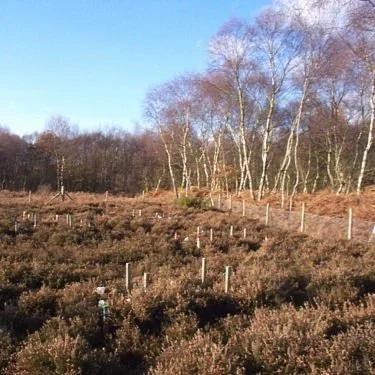
Habitat: Lowland heath Location: Cheshire, England Experimental goal: To look at the effects of nitrogen and drought on heathland. PIs: Chris Field & Simon Caporn, Manchester Metropolitan University See: Our dedicated webpage on the experiment Listen: To our podcast interview with Chris Field Copy and paste the text below to share this, and get involved on Twitter: The @ECT_UK #LongTermExperiment focus in the March 2023 #newsletter was on the Little Budworth Common #LTE. Listen to our interview podcast with Chris Field @ManMetUni https://bit.ly/38KfJ3J Photo: Chris Field and Little Budworth Common
|
|
Twitter followers: 1891 +2 % LinkedIn followers: 246 +13% YouTube subscribers: 74 +7% Instagram followers: 224 +7% LTE User Group members: 242 +7%
|
|
Would you consider donating to the ECT? Help us secure long-term experiments for the future by making a donation Donate to the ECT.
|
|

|
If you are an LTE researcher, please remember to send us your publications. E-mail Danae Dodge to ensure they are featured on our site pages. |
|
|
|
The LTE User Group is a network of stakeholders passionate about long-term experiments and the results they generate. Benefits of joining this group include becoming part of a wider network, we can raise your profile, and you get to participate in knowledge exchange with others in different sectors. Find out more and how to join on our Join Us page. |
|

|
|
|
|
Please get in contact if you have any information for the website or newsletter or for social media, or if you wish to submit a blog. Feel free to get in touch with any questions you have or if you have any feedback on this newsletter. Please forward this email newsletter to those whom you think will benefit. And if you received this email from a friend, subscribe here.
|
|
You are receiving this newsletter because you are subscribed to the ECT Newsletter. By subscribing to this newsletter, you will also receive emails either for our Network Contacts list (the default group), or the LTE User Group (which you can apply to be part of). Please add danae.dodge@ecologicalcontinuitytrust.org to your address book to ensure you receive future emails from us. Get in touch if you want to change your email address. ECT receives core funding from the British Ecological Society.
|
|
|
|