|
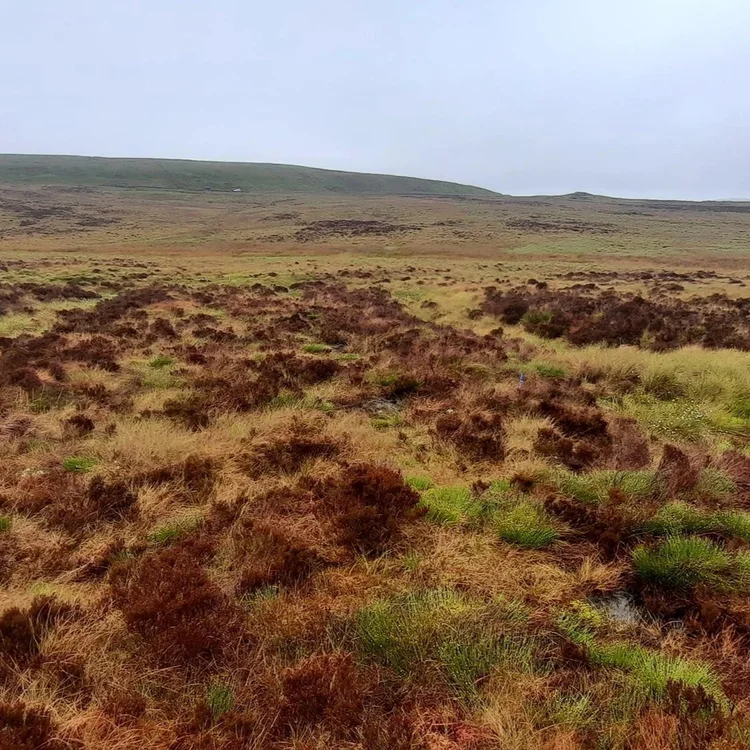
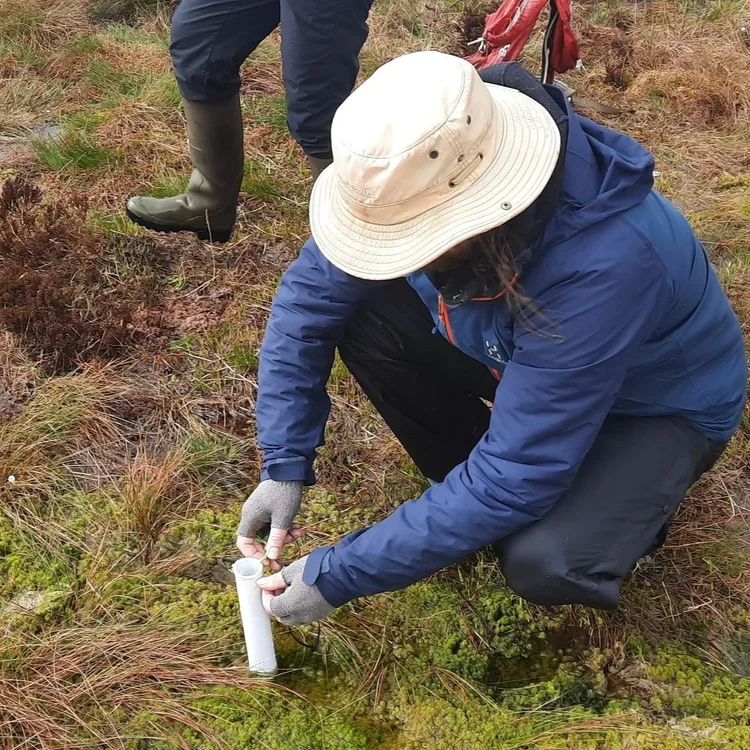
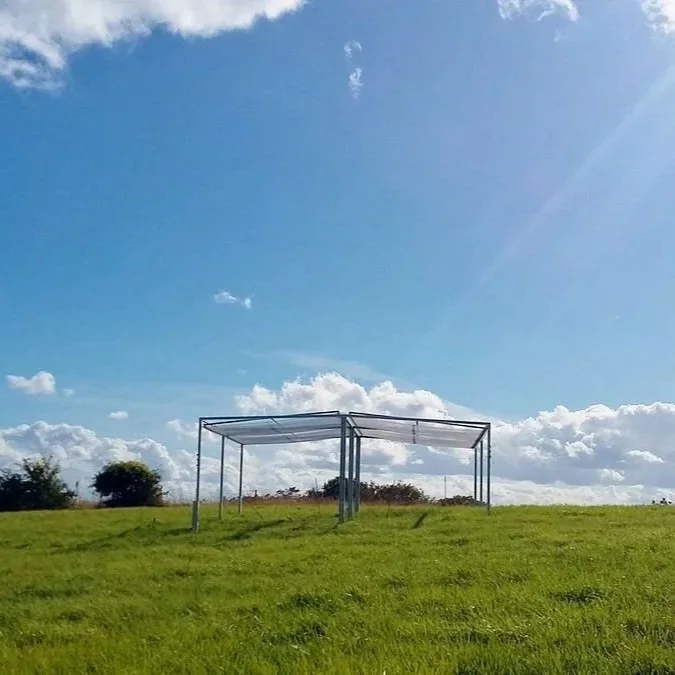
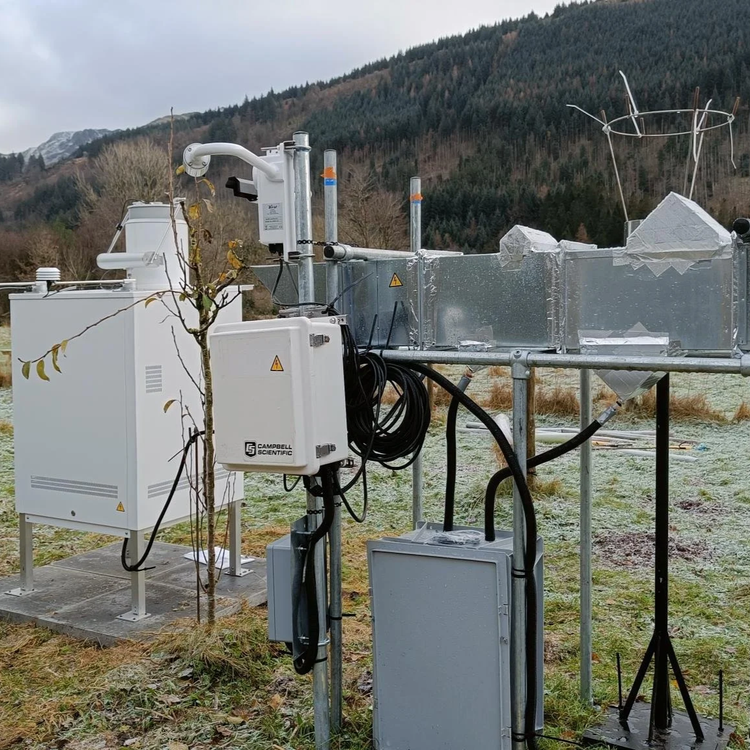
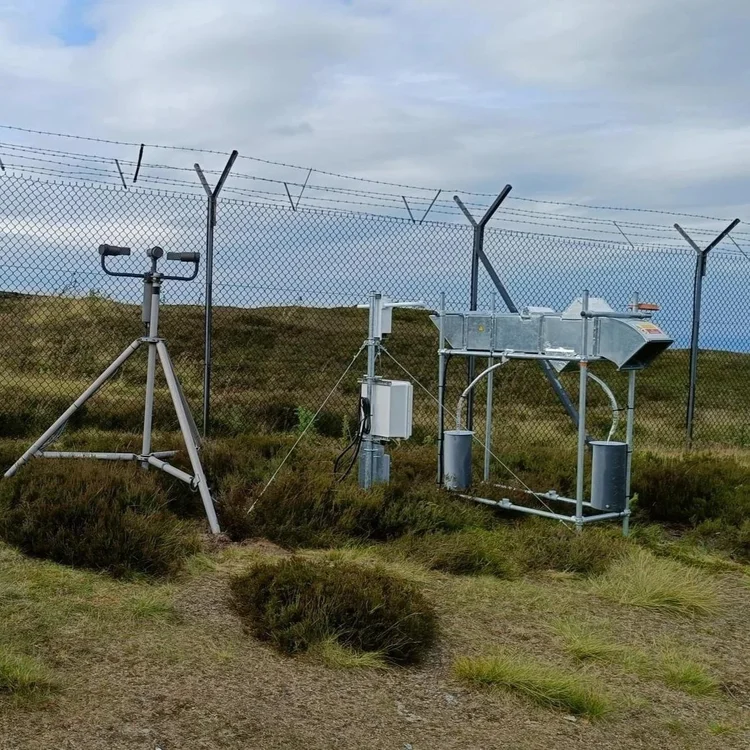
UKCEH STUDY: HOW TERRAIN AFFECTS NITROGEN POLLUTION DEPOSITION Reactive nitrogen (Nr) pollution deposition from air is a threat to UK biodiversity and freshwater systems. But accounting for the impact of the UK’s complex terrain on pollutant deposition remains a science and policy challenge: air quality and meteorological measurement networks are biased towards flat, lowland sites. Additionally, models cannot explicitly represent complex topography deposition processes. Under Defra’s Natural Capital Ecosystem Assessment programme, the Environment Agency commissioned UKCEH to study Nr deposition differences between flat and complex topography. Innovative rain and fog samplers were deployed at six UK sites in 2024/25 - the fog measurements being the first in 20 years. Two pairs of complex/ flat sites were used: Sellafield/ Ennerdale in Cumbria, and Jodrell Bank/ Holme’s Moss Observatory in the Peak District. The rural air quality supersites at Auchencorth Moss (which is in the same landscape as the Whim Bog LTE), and Chilbolton were used as flat lowland and upland sites. Results from the Peak District site pair revealed that wet deposition in complex terrain site enhanced Nr deposition by over 75%, more than current models predict. Detailed analysis is in progress. But the project shows the need for improved monitoring network coverage, and the importance of rain and fog being assessed separately. Photos: The full suite of wet and occult (fog) deposition monitoring equipment installed at the complex terrain sites at Ennerdale (left) and Holme Moss Summit (right) (Credit: UKCEH).
|