Subscriber First Name͏‌ ͏‌ ͏‌ ͏‌ ͏‌ ͏‌ ͏‌ ͏‌ ͏‌ ͏‌ ͏‌ ͏‌ ͏‌ ͏‌ ͏‌ ͏‌ ͏‌ ͏‌ ͏‌ ͏‌ ͏‌ ͏‌ ͏‌ ͏‌ ͏‌ ͏‌ ͏‌ ͏‌ ͏‌ ͏‌ ͏‌ ͏‌ ͏‌ ͏‌ ͏‌ ͏‌ ͏‌ ͏‌ ͏‌ ͏‌ ͏‌ ͏‌ ͏‌ ͏‌ ͏‌ ͏‌ ͏‌ ͏‌ ͏‌ ͏‌ ͏‌ ͏‌ ͏‌ ͏‌ ͏‌ ͏‌ ͏‌ ͏‌ ͏‌ ͏‌ ͏‌ ͏‌ ͏‌ ͏‌ ͏‌ ͏‌ ͏‌ ͏‌ ͏‌ ͏‌ ͏‌ ͏‌ ͏‌ ͏‌ ͏‌ ͏‌ ͏‌ ͏‌ ͏‌ ͏‌ ͏‌ ͏‌ ͏‌ ͏‌ ͏‌ ͏‌ ͏‌ ͏‌ ͏‌ ͏‌ ͏‌ ͏‌ ͏‌ ͏‌ ͏‌ ͏‌ ͏‌ ͏‌ ͏‌ ͏‌ ͏‌ ͏‌ ͏‌ ͏‌ ͏‌ ͏‌ ͏‌ ͏‌ ͏‌ ͏‌ ͏‌ ͏‌ ͏‌ ͏‌ ͏‌ ͏‌ ͏‌ ͏‌ ͏‌ ͏‌ ͏‌ ͏‌ ͏‌ ͏‌ ͏‌ ͏‌ ͏‌ ͏‌ ͏‌ ͏‌ ͏‌ ͏‌ ͏‌ ͏‌ ͏‌ ͏‌ ͏‌ ͏‌ ͏‌ ͏‌ ͏‌ ͏‌ ͏‌ ͏‌ ͏‌ ͏‌ ͏‌ ͏‌ ͏‌ ͏‌ ͏‌ ͏‌ ͏‌ ͏‌ ͏‌ ͏‌ ͏‌ ͏‌ ͏‌ ͏‌ ͏‌ ͏‌ ͏‌ ͏‌ ͏‌ ͏‌ ͏‌ ͏‌ ͏‌ ͏‌ ͏‌ ͏‌ ͏‌ ͏‌ ͏‌ ͏‌ ͏‌ ͏‌ ͏‌ ͏‌ ͏‌ ͏‌ ͏‌ ͏‌ ͏‌ ͏‌ ͏‌ ͏‌ ͏‌ ͏‌ ͏‌ ͏‌ ͏‌ ͏‌ ͏‌ ͏‌ ͏‌ ͏‌ ͏‌ ͏‌ ͏‌ ͏‌ ͏‌ ͏‌ ͏‌ ͏‌ ͏‌ ͏‌ ͏‌ ͏‌ ͏‌ ͏‌ ͏‌ ͏‌ ͏‌ ͏‌ ͏‌ ͏‌ ͏‌ ͏‌ ͏‌ ͏‌ ͏‌ ͏‌ ͏‌ ͏‌ ͏‌ ͏‌ ͏‌ ͏‌ ͏‌ ͏‌ ͏‌ ͏‌ ͏‌ ͏‌ ͏‌ ͏‌ ͏‌ ͏‌ ͏‌ ͏‌ ͏‌ ͏‌ ͏‌ ͏‌ ͏‌ ͏‌ ͏‌ ͏‌ ͏‌ ͏‌ ͏‌ ͏‌ ͏‌ 

View in Browser

 ECOLOGICAL CONTINUITY TRUST

ECT NEWSLETTER

28 June 2023

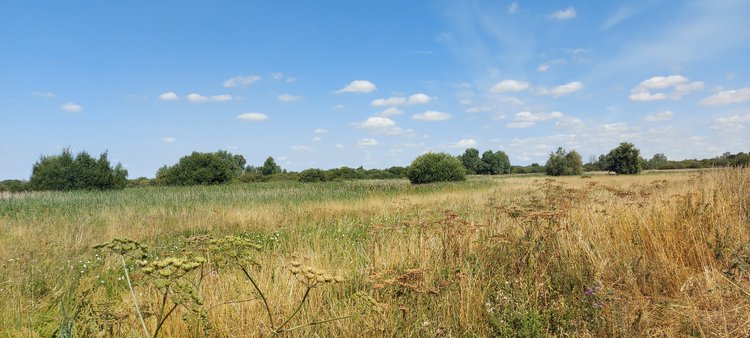
Landscape view of Colt Park Meadows showing yellow flowers in the meadow. In the distance, there are hills against a completely blue sky free of clouds.

EXEC’S CORNER

A very warm welcome to this June issue of ECT’s quarterly newsletter, at a time of year when many of the 36 currently-active long-term ecological field experiments (LTEs) on our national register are looking their best. Prior to seasonal cuts, many field plots are in the full flush of spring/early summer growth when it is possible to see quite clearly the different impacts of experimental treatments against controls.

Last week, ECT in partnership with the British Ecological Society (BES) hosted a major invitation-only workshop in London which brought together 40 of the UK’s major land-owning organisations with interests in landscape-scale transformation. The purpose of the workshop was to explore with stakeholders the need for community building, dialogue and best practice around the design and implementation of landscape-scale studies, whether they be true experiments, living laboratories or wholescapes. The workshop was a significant first step in what ECT/BES hope will be an exciting new project helping to bring this diverse community of stakeholders together.

And finally……I have a small favour to ask of you. For those of you who have tried out our Virtual Reality (VR) headset tours of the Buxton and Whim Bog LTEs at various events over the past couple of years, might you kindly be able to supply ECT with a short ‘testimonial’ on your experience using these headsets? This would be most helpful with fundraising as ECT looks to expand its use of VR technology in LTE science communication. Please do get in touch.

Ben Sykes

OUR NEWS

SMALL GRANTS AND BLOG

In May and early June, ECT awarded three small grants. A maintenance grant was awarded to Andreas Heinemeyer for his work on Peatland-ES-UK. The grant will contribute towards the costs of replacing water table depth loggers and battery packs. The last conference travel grant to be awarded under ECT’s Small Grants Scheme went to PhD student Sophie Mills at the University of Birmingham, contributing to the presentation of her work on the BIFoR-FACE LTE at the European Geosciences Union (EGU23) conference. Following this, Sophie wrote a blog reflecting on her experiences there, and how she uses artificial intelligence (AI) to analyse tree pollen at BIFoR-FACE. Read her blog. The third award went to Roberto Salguero-Gomez at the University of Oxford, involving further use of AI technology for monitoring at our RainDrop experiment at Wytham Woods.

WEBINARS

Our most recent webinar recording on SRUC Tulloch, the Scottish agro-ecological LTE near Aberdeen, is now available on our YouTube channel. For our next webinar on Friday 30 June, 12.30-1.30pm, Raj Whitlock from the University of Liverpool will be speaking on: “Thirty Years of Research at the Buxton Climate Change Impacts Laboratory (BCCIL)”. To register, please e-mail Ben Sykes. LTE User Group members will have already received an automatic invitation via our Webex software. On 15 September, we will host Alan Radbourne (UKCEH) speaking about the 50-year-long Plynlimon Research Catchments experiment in Wales. Do save the date.

VOLUNTEER FOR THE ECT

We continue to recruit volunteers to expand our Volunteer Pool. We intend to call upon volunteers from time-to-time to either volunteer remotely on communications activities, or assist with open days/maintenance days at long-term experiment sites. (See our full list of sites). For more on this, and how to register as a volunteer, see our ‘Opportunities’ page. We encourage our network to share this opportunity on Twitter, LinkedIn, and Instagram.

CALLING ALL GAMERS

We would like to find out if anyone in our community is a gamer and could therefore help ECT. We are in the very early stages of exploring the gaming and livestreaming space for profile-raising and fundraising purposes. If you are, then we would like to hear from you. Let us know what games you play, how frequently you play, if you stream, and your Twitch/ YouTube and/or Discord username. To get in touch, email Danae Dodge.


NETWORK NEWS

NEW PUBLICATIONS FROM BRACKEN CONTROL LTEs AT SOURHOPE AND BAMFORD EDGE

There are two new publications from LTEs that look at the effectiveness of different methods of controlling bracken. One paper in Ecological Engineering looks at how long the treatment methods last at two sites at Sourhope in the Scottish borders, and another paper in the Journal of Environmental Management investigates the recovery of the acid grassland habitat at Bamford Edge which is managed by Rob Marrs (University of Liverpool).

 SEE THE PUBLICATIONS 

BIFoR IN A BOX

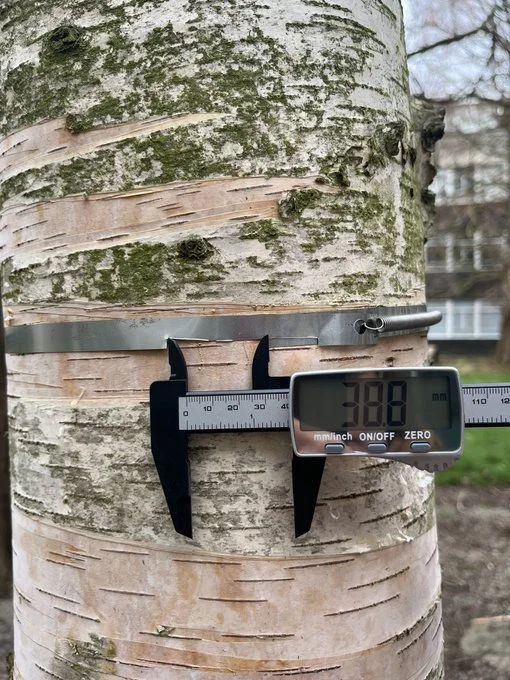
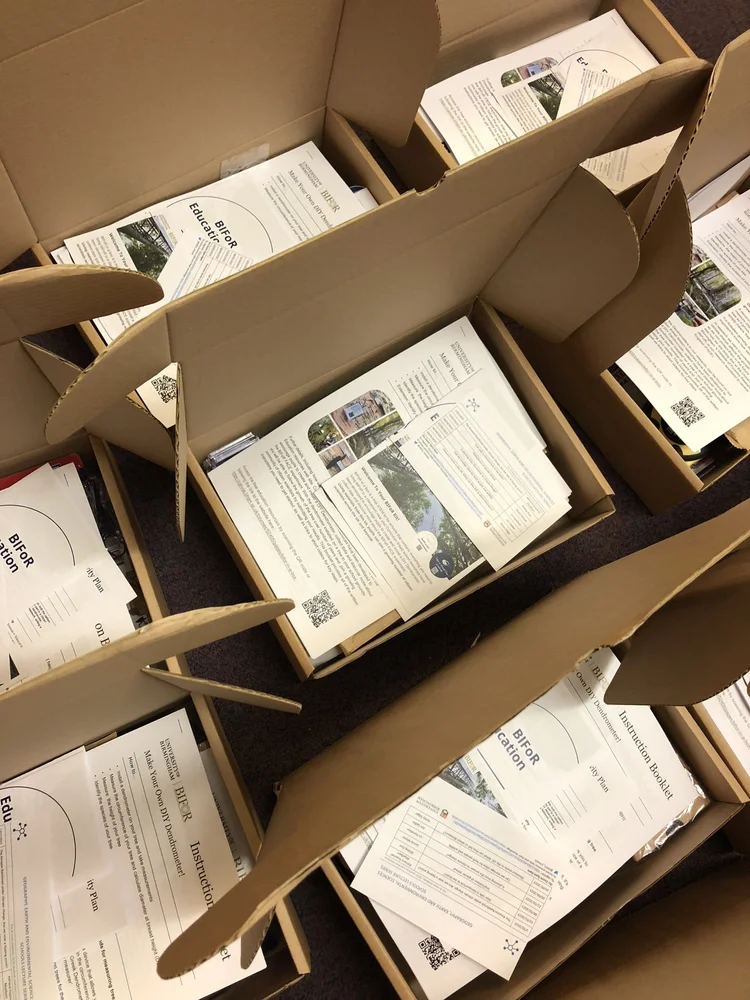
The BIFoR-FACE LTE team has been working on the “BIFoR in a Box” project, and Samantha Dobbie (University of Birmingham) hopes to get more schools signed up to the scheme so that pupils can get involved and learn more about this woodland climate change LTE. Click the button below to read more.

Photos from left to right: The kit, a dendrometer, and the packed boxes. Photo credit: BIFoR.

 LEARN ABOUT BIFoR IN A BOX 

PULITZER PRIZE WINNER VISITS LLYN BRIANNE LTE

Pulitzer-prize winner and Washington Post’s ‘Contributing Writer’ Robert O'Harrow visited the Llyn Brianne Stream Observatory and met with Steve Ormerod (Cardiff University).

 READ ABOUT THE VISIT 

NEW PUBLICATION FROM PEATLAND-ES-UK

There is a new publication out from the Peatland-ES-UK team co-authored by Andreas Heinemeyer (University of York) which responds to a Natural England paper and reviews evidence.

 READ THE PEATLAND PAPER 

PARTNER NEWS

BIFoR-FACE will be hosting its 7th annual community meeting over two days in early July. This hybrid event is themed ‘Trees in Time,’ and will explore how changes over different timescales impact forests to understand how predicted future climates can affect forest environments. At the end of the first day, the keynote speech ‘Forests and Carbon: (deep) past, (hard) present, and (bright) future’ which will be delivered by Jenny McElwain (Trinity College Dublin) and Jo Bradwell (University of Birmingham) is open to the public. You may register to attend only this keynote online if you wish to do so. There will be a second keynote speech delivered by Richard Betts (University of Exeter) at the end of the second day ‘The world’s forests in 2100.’  Find out more and register.

IN OTHER NEWS

American scientists at the US Department of Agriculture used data on grassland cover from New Mexico that spanned from 1916-1979 and modelled how climatological factors could explain the cycles of growth and dieback of the grassland. They found that the changes correlated with sea surface temperature of the Pacific ocean up until 1979 which is most likely due to climate warming. New Scientist subscribers can read more in the 27 May 2023 edition, and the publication in Ecology is open access.

FOCUS ON… WHIM BOG

Habitat: Bog

Location: Scotland

Experimental goal: To investigate the effects of different amounts and forms of nitrogen on peatland.

PIs: Netty van Dijk and Matt Jones, UKCEH

See: Our dedicated webpage on the experiment

Watch: The introduction to the Whim Bog experiment

Copy and paste the text below to share this, and get involved on Twitter: The @ECT_UK #LongTermExperiment focus in the June 2023 #newsletter was on the Whim Bog #LTE in #Scotland. Learn more about Whim Bog with this video: http://bit.ly/IntroToWhimBog

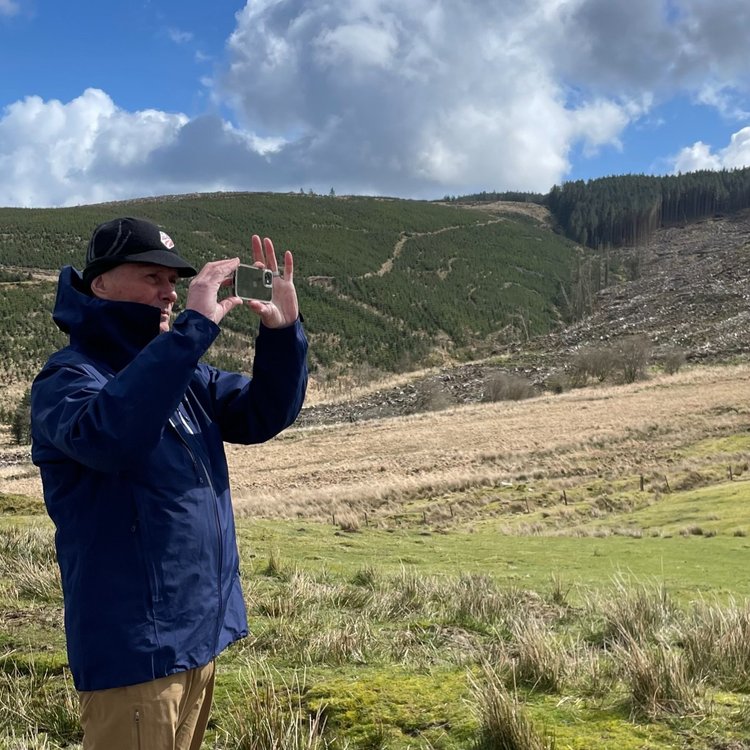
Photo: Left- Matt Jones and Netty van Dijk.

OUR REACH

Twitter followers: 1916 +1.3%

LinkedIn followers: 282 +14.6%

YouTube subscribers: 78 +5.4%

Instagram followers: 241 +7.5%

LTE User Group members: 224 +8%

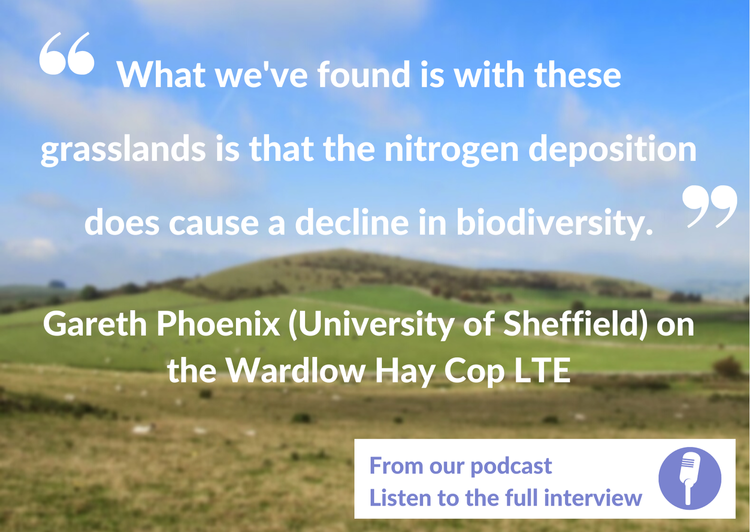
Quote from Gareth Phoenix (University of Sheffield) on Wardlow Hay Cop LTE: "What we've found is with these grasslands is that the nitrogen deposition does cause a decline in biodiversity," overlaid on landscape photo. Image is hyperlinked to podcast
 

Would you consider donating to the ECT? Help us secure long-term experiments for the future by making a donation Donate to the ECT.

If you are an LTE researcher, please remember to send us your publications. E-mail Danae Dodge to ensure they are featured on our site pages.

The LTE User Group is a network of stakeholders passionate about long-term experiments and the results they generate. Benefits of joining this group include becoming part of a wider network, we can raise your profile, and you get to participate in knowledge exchange with others in different sectors. Find out more and how to join on our Join Us page.

Please get in contact if you have any information for the website or newsletter or for social media, or if you wish to submit a blog. Feel free to get in touch with any questions you have or if you have any feedback on this newsletter.

Please forward this email newsletter to those whom you think will benefit. And if you received this email from a friend, subscribe here.


You are receiving this newsletter because you are subscribed to the ECT Newsletter. By subscribing to this newsletter, you will also receive emails either for our Network Contacts list (the default group), or the LTE User Group (which you can apply to be part of).

Please add danae.dodge@ecologicalcontinuitytrust.org to your address book to ensure you receive future emails from us. Get in touch if you want to change your email address.

ECT receives core funding from the British Ecological Society.

twitter linkedin youtube instagram

Ecological Continuity Trust • Charity Number: 1126122 • ECT Company Number: 6652160

Ecological Continuity Trust, Manor House, Little Wittenham, Oxfordshire

Powered by Squarespace

Unsubscribe